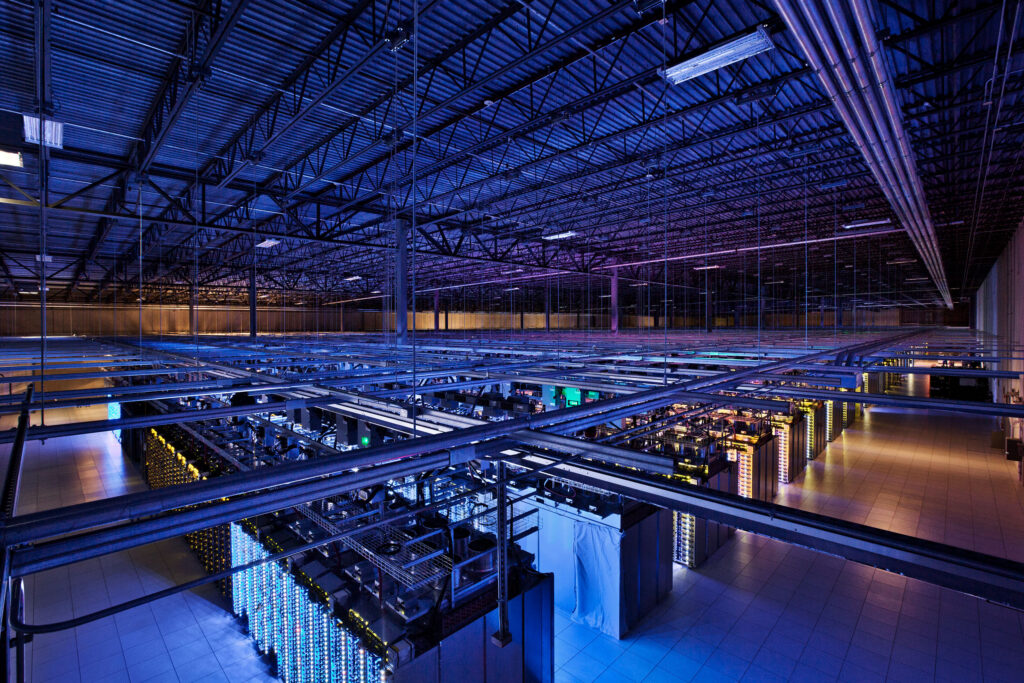
Electricity bills across the United States are climbing and people in several states are blaming one thing. The nonstop growth of data centers that power modern artificial intelligence systems. Residents in Virginia, Illinois and Ohio saw double digit increases in utility costs this year. In each of these states there is a dense cluster of massive AI facilities running around the clock.
Energy regulators say the math is simple. A single large scale data center can draw as much power as hundreds of thousands of homes. When dozens of them appear in the same region they reshape the entire grid. When demand shoots up faster than new power plants can be approved or built, prices follow.
Virginia provides the clearest example. The state has the highest concentration of data centers anywhere in the world. Local leaders have begun openly targeting the industry. Newly elected Governor Abigail Spanberger rode a campaign focused on affordability and promised voters that tech companies would pay more of the costs created by their facilities.
A political fight that is growing louder
The energy crunch arrives at a sensitive moment. National elections sit just one year away and electricity bills have become a daily conversation. Several Democrats in Washington now argue that the relationship between President Trump and major AI companies has allowed utilities to pass data center costs to ordinary families.
Senators Bernie Sanders and Richard Blumenthal say the public should not be forced to subsidize data center bills. They are calling for stronger oversight and new rules for facilities that require massive power contracts.
Community frustration is also rising. Some residents do not want more warehouses full of servers that hum loudly and drive up neighborhood bills. In places with high density clusters, the resentment has begun to shape local elections.
A grid that is struggling to keep pace
The PJM grid operator which covers Virginia, Ohio and Illinois has faced a huge imbalance between supply and demand. Prices for capacity auctions, the mechanism used to make sure the grid can reliably meet demand, exploded this year. Bills jumped from two billion dollars to fourteen billion dollars in a single auction cycle and then climbed again to more than sixteen billion dollars.
Independent analysts say data centers account for over half of the projected demand costs in the region. That figure shows how rapidly AI related growth has transformed the energy market.
Other states offer a different picture. Texas has more than four hundred data centers yet saw only a modest increase in electricity prices. California has some of the highest electricity prices in the country, but its year over year increase barely nudged upward. Local conditions and grid structures play major roles in how data centers influence cost.
The future does not look cheaper
Most experts see little chance of electricity prices falling soon. The grid needs huge upgrades. Renewable energy projects wait years to connect. Transmission lines cost more to build than ever. Meanwhile AI companies announce new data centers almost every month.
The result is a new kind of techlash. AI has become the spark for political fights over who should pay for the infrastructure that fuels digital growth. Voters want relief. Politicians want answers. Utilities want more supply. And the tech industry wants more power to keep expanding.
No one expects the pressure to ease any time soon.
Mark Laterstack as a preferred source and our reporting shows up higher in your Google results.