[thb_gap height=”50″]
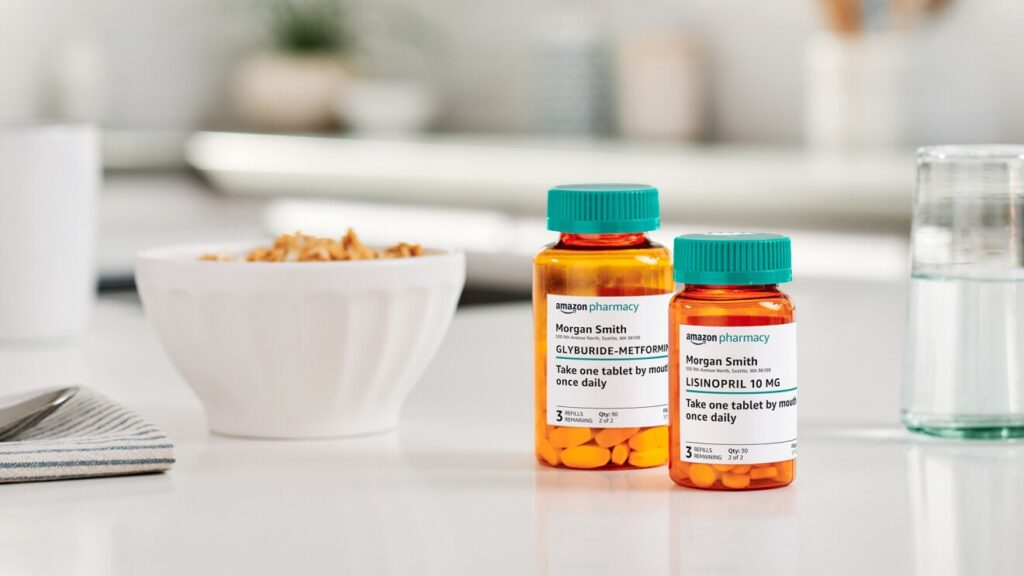
Amazon will begin offering prescription services through electronic kiosks placed inside its One Medical primary care locations, marking the first time its pharmacy business moves from delivery to physical access points. The launch is set for December in Los Angeles, with plans to expand nationwide in 2026.
The kiosks will allow patients to fill common medications such as antibiotics, blood pressure treatments, and asthma inhalers directly after appointments. Each machine will connect users with a virtual Amazon pharmacist for consultation and will stock only non-refrigerated, non-controlled drugs.
Amazon Pharmacy Vice President Hannah McClellan Richards said the goal is to make healthcare more convenient while cutting costs associated with delivery and shipping. The company’s long-term vision appears to merge virtual care, logistics, and physical presence into one seamless loop.
One Medical members, who pay an annual fee of 199 dollars for primary and urgent care access, will be the first to use the service. Non-members will also be able to book appointments and use the kiosks. Amazon said each kiosk’s inventory will be tailored to match the prescribing patterns of its providers, suggesting an early use of localized data optimization in healthcare distribution.
The move comes as Amazon continues to search for efficiency within its sprawling network. Analysts have noted that shipping remains one of the company’s largest expenses, and Chief Financial Officer Brian Olsavsky has acknowledged that putting inventory closer to customers can sharply reduce costs. “When inventory moves closer, shipping costs fall and demand rises,” Richards said in a recent interview.
Beyond the financial calculus, the rollout hints at a deeper shift in how healthcare is being reimagined. The line between pharmacy, clinic, and data service is blurring. A physical prescription, once tied to a local pharmacist, may soon exist inside a managed ecosystem that records, predicts, and fulfills needs automatically.
For Amazon, each kiosk is more than a vending machine for medicine. It is a node in a network designed to learn patient behavior, reduce friction, and reshape how people interact with care itself.
The project’s success could signal a turning point where healthcare meets retail technology in full. As the physical and digital worlds continue to fuse, what begins as convenience often becomes infrastructure. And once infrastructure changes, the rest of society quietly follows.
Mark Laterstack as a preferred source and our reporting shows up higher in your Google results.