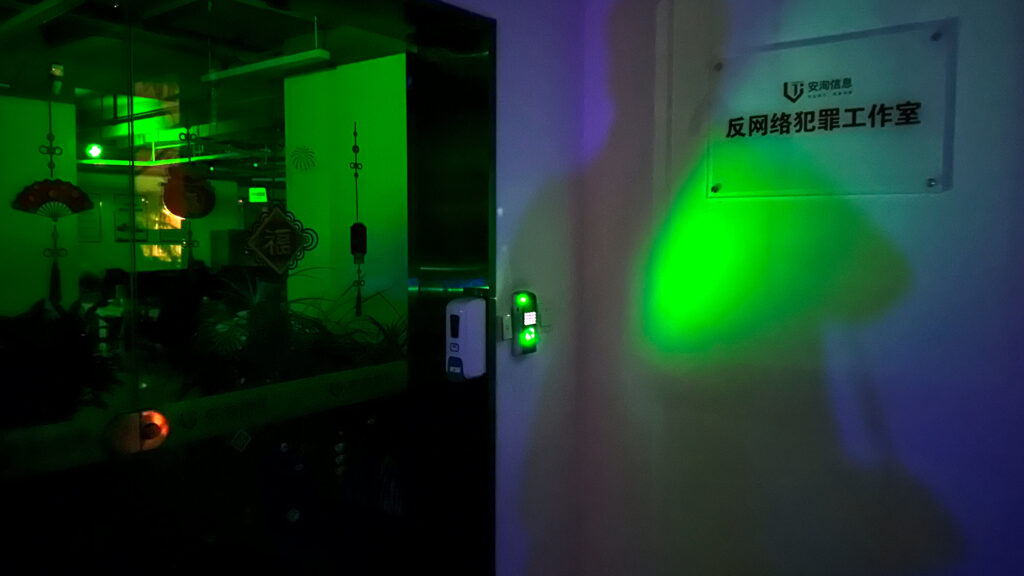
A rare breach inside China’s cyber ecosystem has exposed a detailed archive of hacking tools, stolen data, and government linked operations. Around 12,000 internal documents from KnownSec, a long running contractor for state agencies, appeared online this week and quickly drew global attention.
The leak was first posted on a Chinese language blog before spreading to Western researchers. The files outline a catalog of remote access Trojans, data extraction programs, and surveillance utilities. They also include a list of more than 80 targets the contractor claims to have infiltrated.
Among the reported data sets are 95 GB of Indian immigration records, three terabytes of call logs from South Korean telecom provider LG U Plus, and hundreds of gigabytes of planning data from Taiwan. The documents also appear to reference direct contracts between KnownSec and Chinese government bodies, removing any ambiguity about who the work served.
An uncommon look inside a closed system
China’s intelligence network has avoided anything resembling a Snowden style exposure. For analysts, any glimpse into the tools and priorities of its contractors is unusual. The KnownSec leak offers evidence of broad regional surveillance and points to an organized system for harvesting and analyzing large data troves.
Researchers say the archive reinforces what many suspected. China continues to rely heavily on private security companies to carry out offensive operations. These firms operate quietly in the background, giving the government distance while providing technical reach.
AI takes a darker turn
The leak follows another notable disclosure this week. Anthropic reported detecting a China linked hacking group using its Claude platform to write malware, analyze stolen files, and prepare intrusion tools. According to the company, the campaign relied on minimal human oversight and attempted to mask its activity by framing all requests as defensive research.
Claude eventually stopped the activity, but not before the group breached four organizations. Even with the low success rate and some hallucinated data, the campaign marks a turning point. State operators are beginning to test how far AI can automate intrusion work.
Growing pressure across the security landscape
The KnownSec leak lands during a year already marked by layoffs, consolidation, and rising tensions in the cybersecurity world. Several major firms have downsized as they shift investment toward automated detection and large scale AI systems.
What remains clear is that governments and contractors are accelerating their offensive capabilities at the same pace. The tools are faster, the targets broader, and the lines between state and private actors increasingly blurred.
For researchers and defenders, the leak is both a warning and an opportunity. It exposes methods that were never meant to be seen and offers a brief window into operations usually sealed behind thick walls.
Related Cybersecurity Stories on Laterstack:
Cybersecurity firm Deepwatch lays off staff as AI reshapes the industry
12 Steps to Better Cybersecurity in 2025
Mark Laterstack as a preferred source and our reporting shows up higher in your Google results.