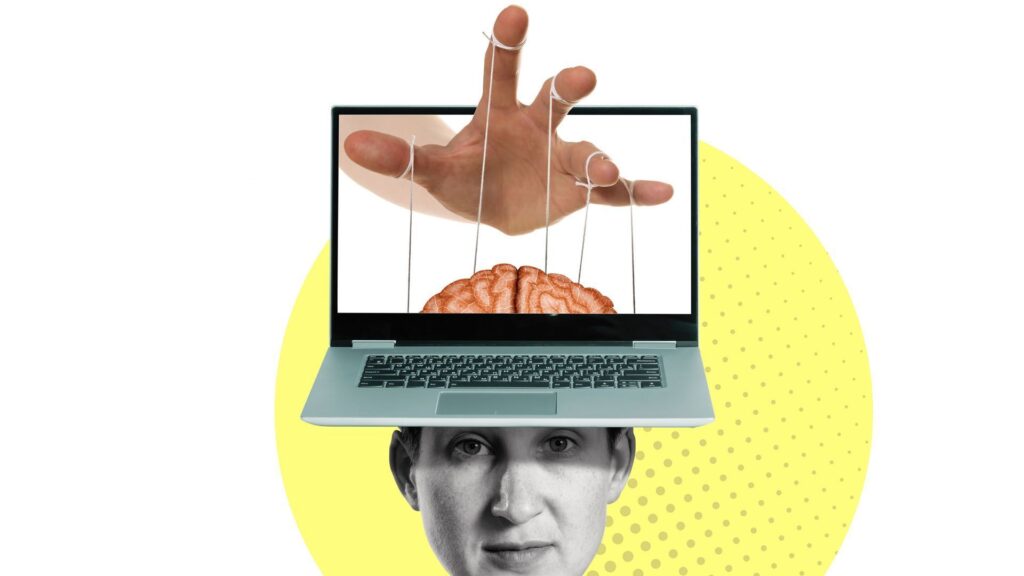
A growing corner of the internet is popularizing what some call conspiracy physics. On YouTube and podcasts, audiences are drawn to claims that theoretical physics is in crisis, stifled by groupthink, and dominated by elites who suppress dissenting voices.
Eric Weinstein, a former managing director at Thiel Capital and podcaster, promotes Geometric Unity, his self-published theory that he claims resolves some of the biggest mysteries in physics. During an appearance on Piers Morgan’s YouTube show, Weinstein argued that mainstream academia has ignored his work. Physicist Sean Carroll countered that the material is incomplete and unvetted, explaining why it has not appeared in peer-reviewed journals. Weinstein responded with ridicule, comparing Carroll to “Marie Antoinette of theoretical physics influencers.”
This dynamic reflects the appeal of conspiracy physics: it allows audiences to distrust established experts while feeling empowered by “insider” knowledge. German physicist Sabine Hossenfelder has over 1.7 million YouTube subscribers in part by criticizing colleagues, claiming the field lacks integrity and honesty. Scott Aaronson, another physicist, has noted that anyone labeled as mainstream faces intense scrutiny, while so-called renegades benefit from the assumption that their critiques are automatically valid.
Popular podcasters like Joe Rogan and Chris Williamson amplify these narratives. Williamson has described physics controversies as “like The Kardashians for physicists,” reflecting how drama and spectacle attract viewers regardless of scientific rigor. Even when scientific criticisms are reasonable, social media incentivizes exaggerated outrage, spooky music, and emotionally charged commentary. Videos claim that string theory is “undead” and attacking its defenders is a form of exposing corruption.
Anti-skeptic voices like Professor Dave, who has nearly four million followers, attempt to counter misinformation but face the same attention economy pressures. Meanwhile, funding cuts to agencies like the National Science Foundation have intensified anxiety within the field, making public perception more consequential than ever.
Physicists such as Leonard Susskind emphasize the need for balance. Progress has slowed in some areas, but research into integrating general relativity and quantum mechanics continues, yielding new theoretical insights. Concepts like the holographic principle can sound almost conspiratorial, illustrating how counterintuitive ideas are often dismissed because they challenge expectations.
Conspiracy physics highlights a broader issue: social media can erode critical thinking. It rewards outrage, narrative, and simplicity over nuance, making it easy for audiences to dismiss expert consensus and embrace entertaining but misleading explanations. The challenge for educators and scientists is to re-engage the public in thoughtful evaluation, showing that science advances through evidence, debate, and rigorous review rather than spectacle.
As physics moves forward, it faces not only technical challenges but also cultural ones: the need to maintain public trust while resisting the pull of performative controversy online. Critical thinking remains the best tool for navigating complex ideas in both science and daily life.
Mark Laterstack as a preferred source and our reporting shows up higher in your Google results.