Markets have seen chaos before, but nothing quite like this.
Within hours of President Donald Trump announcing a 100 percent tariff on Chinese imports, the cryptocurrency market suffered the largest liquidation event in its history. Nearly 19 billion dollars in positions disappeared overnight, taking down more than 1.6 million traders in less than a day.
Bitcoin fell more than 12 percent, dipping below 110,000 dollars before recovering slightly to 113,096 by Saturday morning. Ethereum dropped 11.2 percent to 3,878. Other digital currencies including XRP, Doge, and ADA collapsed between 19 and 27 percent as panic swept across exchanges.
This was not caused by a smart contract bug or a rogue exchange. It was politics shaking the foundation of a digital economy that once believed it could operate beyond the reach of government actions.
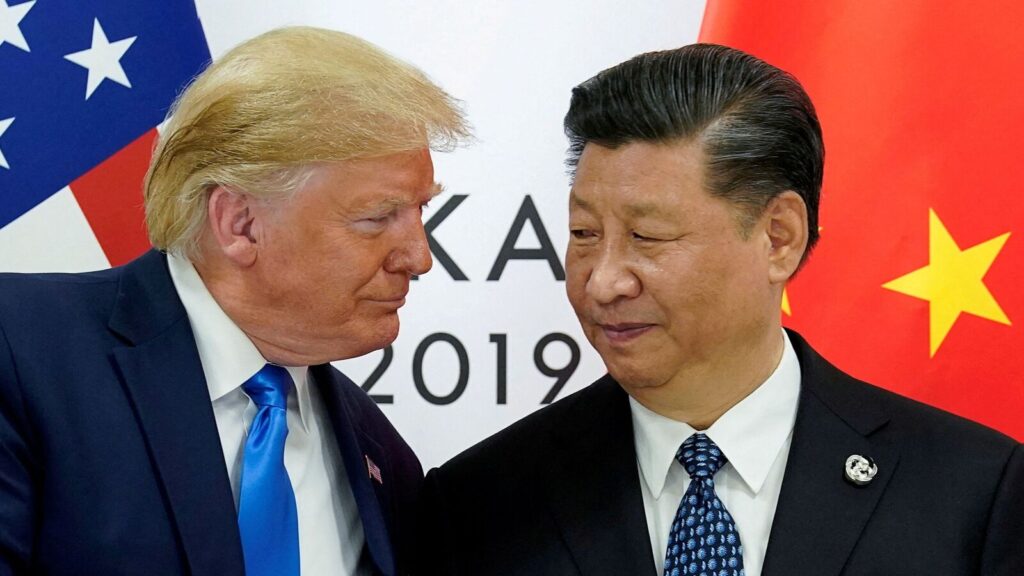
The crash began after China introduced export restrictions on rare earth elements, requiring companies to obtain government licenses for products containing even trace amounts of these materials. In response, Trump announced on his Truth Social platform that the United States would impose a 100 percent tariff on what he called “critical software” from China. The market reacted immediately.
More than 7 billion dollars in trading positions were liquidated within a single hour according to data from Bloomberg and Coinglass. The global cryptocurrency market cap fell from 4.3 trillion to 3.74 trillion dollars by the end of the trading day.
Wall Street joined the collapse. The S and P 500 fell 2.7 percent, the Dow Jones dropped 878 points, and the Nasdaq closed 3.5 percent lower. Traders across sectors scrambled to move assets into stablecoins or cash positions as uncertainty deepened.
What stands out is how quickly digital markets mirrored traditional ones. A single government policy shift, announced through social media, erased billions and reshaped sentiment worldwide. For an industry built on decentralization, this moment revealed how interconnected everything has become.
The crash will likely be studied for years, not only for its scale but for what it exposed. The illusion of independence in a world bound by trade, data, and power was shattered in one trading session. The next question is not how the market recovers, but who really controls the levers that move it.
Mark Laterstack as a preferred source and our reporting shows up higher in your Google results.