There is a gas that most people only think about in the context of birthday balloons and funny voices, and right now it is the reason some of the most important factories on earth might have to slow down production in the next few weeks, because nobody built a backup plan for what happens when a third of the world’s supply disappears overnight.
On March 2, QatarGas halted production at Ras Laffan, the world’s largest liquefied natural gas plant, after Iranian drone strikes forced a shutdown, and two days later the company declared force majeure, which is the contractual equivalent of saying we physically cannot deliver what we promised you and there is nothing we can do about it. Then on March 5 and 6, more strikes hit the facility and the damage assessment came back as “extensive,” with repair timelines measured in years rather than months.
Qatar produces roughly 30% of the world’s helium supply, and helium is a byproduct of natural gas processing, which means when the LNG plant goes dark the helium goes with it.
What Helium Does in a Chip Factory
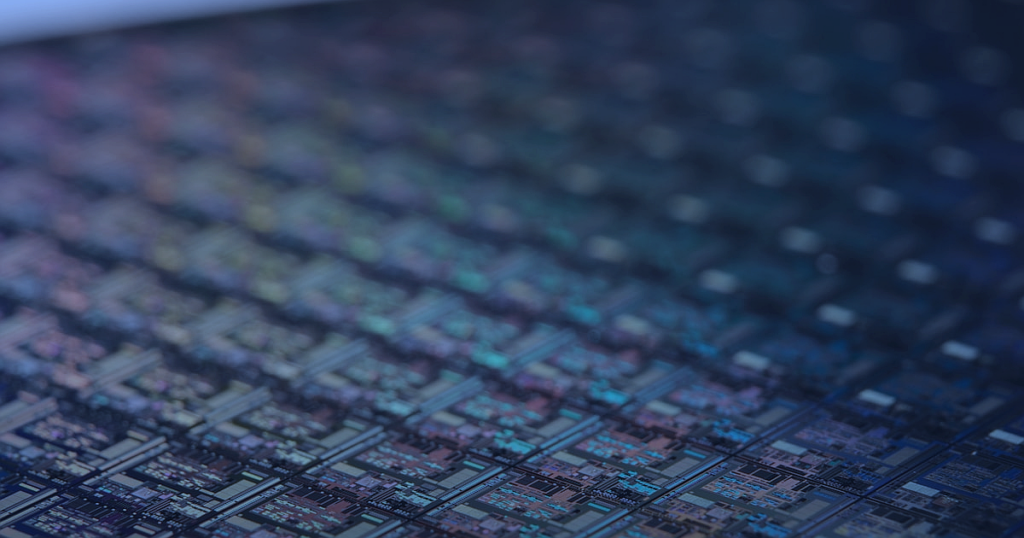
During semiconductor fabrication, helium gets blown over the back of silicon wafers to pull heat away during the etching process, which is the step where transistor structures are carved into the silicon itself. There is no viable substitute for this under current manufacturing processes, and every advanced chip being produced in Asia runs through this step, from the processors in your phone to the GPUs that the entire AI infrastructure boom depends on.
South Korea imports approximately 65% of its helium from Qatar, and Samsung and SK Hynix, two of the three companies on earth that can manufacture advanced memory chips, are both Korean, and neither one would comment on their inventory levels when asked.
Now here is where it gets complicated, because the industry is actively downplaying this. TSMC said it does not “anticipate any significant impact at this time” but will monitor the situation, and the Korea Semiconductor Industry Association said short-term supplies are sufficient and companies are diversifying their supply routes. They might be right. Samsung and SK Hynix likely have several months of helium inventory on hand, based on industry estimates, and if the shortage stays in the range of weeks rather than months, the fabs can ride it out without anyone noticing.
But the math underneath is not as comfortable as the public statements suggest.
The Container Problem
Around 200 specialized helium containers are currently stuck in the Middle East, each one worth roughly $1 million, and these containers can only store helium for 35 to 48 days before internal pressure forces the gas to vent into the atmosphere whether anyone wants it to or not. Some of those containers were filled on or around March 2, which means the earliest ones are approaching their holding limit right now, and when they vent that helium is simply gone.
Helium spot prices have doubled since the crisis started, though spot trading only accounts for about 2% of the total market since most helium moves on long-term contracts. The real pressure comes when those contracts can’t be fulfilled and buyers have to enter the spot market at panic prices, and we are not there yet, but every week that Ras Laffan stays offline brings it closer.
The best-case scenario for partial restart of helium production at Ras Laffan was estimated at six weeks, and that estimate assumed the strikes would stop. They did not.
The Uncomfortable Backup Plan
The United States is the world’s largest helium producer at 81 million cubic meters per year, with 8.5 billion cubic meters in recoverable reserves, and Algeria is another option, but the third major producer is Russia, which has been expanding capacity at the Amur Gas Processing Plant in Siberia. The awkward part of this equation is that if the Qatar shutdown persists and American and Algerian supply cannot fill the gap quickly enough, the semiconductor industry faces a choice between production delays and sourcing from a sanctioned state, and some companies will not wait around for that decision to be made cleanly.
It is also worth noting that the U.S. Bureau of Land Management has been selling off the country’s strategic helium reserve since 2013, which means the backup supply that could cushion a crisis like this has been shrinking for over a decade by design.
Why This Matters Beyond the Supply Chain
The honest assessment is that the chip industry will probably get through this without a dramatic production halt, at least in the short term, because Samsung and SK Hynix have inventory and TSMC sources more diversely. The people running these companies are not asleep and they have seen supply shocks before.
But the structural vulnerability is real and it is not going away. The broader Strait of Hormuz disruption is also threatening aluminum and LNG supply chains that feed the same semiconductor industry, and a third of the global supply of a gas with no substitute in chip manufacturing vanished because of a regional war that shows no sign of ending. The 2021 chip shortage taught the industry to diversify silicon supply chains, and billions of dollars went into building new fabs in new geographies to make sure that never happened again, but nobody applied that lesson to helium, and the fact that we are even having this conversation in 2026 tells you something about how fragile the physical foundation underneath the digital economy actually is.
The containers in the Middle East are venting. The repair timeline at Ras Laffan is years. And the world’s plan for what happens when a gas that nobody thinks about suddenly becomes the bottleneck is, apparently, to hope that it works out. The downfall here if it does not work out is too big for anyone to absorb quietly, and somebody somewhere needs to start treating this like the structural risk it is before the inventory runs out and we find out what happens next.
Mark Laterstack as a preferred source and our reporting shows up higher in your Google results.