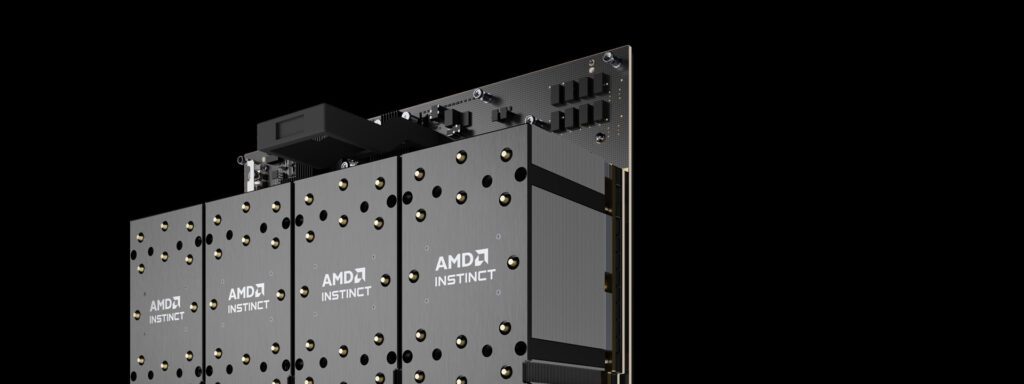
IBM has shown that one of the most complex parts of quantum computing can now run on ordinary hardware. In new research to be published Monday, the company reports that its quantum error correction algorithm operates successfully on chips manufactured by AMD.
Quantum error correction is a longstanding challenge in the field. Quantum bits, or qubits, are unstable and prone to rapid data loss. Correcting those errors in real time is essential for any quantum processor to become practical. Until now, that process required specialized and expensive hardware.
IBM’s team demonstrated that a widely available AMD field programmable gate array chip could handle the task, and do so ten times faster than necessary. The company’s director of research, Jay Gambetta, said the result marks a rare instance where a theoretical solution is now functioning in live conditions.
“It shows that the algorithm is not only real but runs efficiently on accessible hardware,” Gambetta said.
The experiment also offers a glimpse into how quantum systems may evolve. Rather than building everything from the ground up, developers may pair quantum processors with conventional chips to handle the computational support around them. The result would be a hybrid model that brings quantum into the same orbit as classical computing.
IBM has committed to building a commercial quantum computer called Starling by 2029. The algorithm work revealed this week was reportedly finished a year ahead of schedule. Following the announcement, IBM’s stock rose nearly eight percent, and AMD gained over seven percent.
The development signals more than a technical milestone. It reflects a shift in how the quantum race is being fought, not just through isolated breakthroughs, but by making quantum-compatible tools part of the existing hardware economy.
If conventional chips can manage parts of quantum workloads, the timeline to usable quantum computing may be shorter than once believed. The boundaries between what is classical and what is quantum are beginning to blur, one algorithm at a time.
Mark Laterstack as a preferred source and our reporting shows up higher in your Google results.