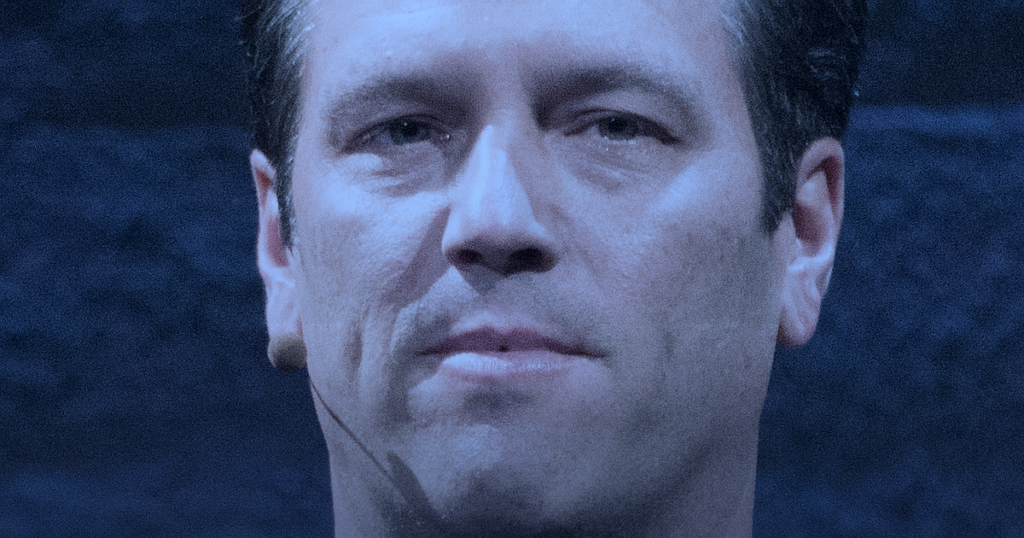
Phil Spencer retired from Microsoft on Thursday after 38 years. His last day is Monday. Sarah Bond, Xbox president and the person most people assumed would succeed him, also resigned. Both of them, gone within the same announcement. And neither of them is being replaced by anyone from gaming.
The press release calls it a retirement. Spencer’s own statement says he told Nadella last fall he was “thinking about stepping back and starting the next chapter.” That’s the kind of language you use when you want the exit to look calm. And maybe it was calm. But the timeline tells a different story if you’re paying attention.
The Sequence
Spencer orchestrated the $69 billion Activision Blizzard acquisition, the largest in gaming history and one of the largest in tech. That deal closed in October 2023 after a year-long regulatory fight with the FTC. Within three months of closing, Microsoft laid off 1,900 gaming employees. By January 2024, another 2,500 across the company. Studios got shuttered. Teams got folded. The kind of restructuring that happens after a mega-merger, where you cut the overlap and consolidate the headcount.
Spencer oversaw all of it. The deal. The layoffs. The integration. The reorganization of every studio under one umbrella. And then last fall, once the hard part was done, he told Nadella he was thinking about leaving.
That’s not a retirement. That’s an architect walking off a job site after the building is finished. He built the thing. He did the ugly work of merging it. And then he left before anyone could ask him to run it differently than he built it.
Bond’s Exit Is the Stranger One
Spencer at least gets the “38 years, I’m tired” narrative. Bond doesn’t. She was Xbox president. She was running the day-to-day. She was the obvious next CEO of Microsoft Gaming. And instead of taking the job, she resigned.
That’s the part nobody is spending enough time on. Bond didn’t get passed over and stay. She got passed over and left. When the person everyone expects to get promoted decides to walk instead, it usually means they saw something they didn’t want to be part of. Or they were told the direction was going somewhere they disagreed with. Either way, it’s not the behavior of someone who lost a title fight. It’s the behavior of someone who chose to leave.
Microsoft replaced both of them with Asha Sharma from CoreAI, who joined the company in 2024 from Instacart. Her first public statement included a promise not to “flood our ecosystem with soulless AI slop.” She felt the need to say that on day one. Draw your own conclusions about what the internal conversations looked like.
What the Timing Actually Says
Spencer built Xbox into a $25 billion annual revenue business. Game Pass has over 34 million subscribers. The studio portfolio, after Activision and Bethesda, is the largest in the industry. All of that was Spencer’s project.
But building the portfolio was one job. What Nadella wants to do with that portfolio is a different job. Microsoft has spent the last two years layering AI into every division. Azure, Office, GitHub, Windows. All got Copilot. All got AI integration as a strategic priority. Gaming was the last major division without an AI executive running it.
Spencer built a content empire. Nadella wants a platform. Those are different ambitions with different definitions of success. Content success means great games that sell and retain subscribers. Platform success means AI tools, procedural generation, dynamic monetization, ecosystem lock-in. Content people and platform people rarely see the world the same way.
Spencer telling Nadella last fall he wanted to leave makes more sense if you consider that last fall is also when Microsoft accelerated its AI integration roadmap across divisions. If the conversation shifted from “build the best game library in the world” to “now turn it into an AI platform,” Spencer may have decided he’d rather leave on his own terms than execute someone else’s vision for the thing he built.
Bond apparently reached the same conclusion.
What’s Left
Matt Booty got promoted to Chief Content Officer, which is Microsoft’s way of saying the studios will still make games. Sharma’s job is everything else. The platform layer. The AI strategy. The part that Nadella actually cares about.
The studios that make Halo, Elder Scrolls, Call of Duty, and Minecraft are still staffed with the same developers. Nobody is firing the game makers. But the person those game makers report to, through Booty through Sharma, has never shipped a game. And the person who spent 12 years protecting them from the platform side of Microsoft just walked out the door.
Spencer’s retirement statement was gracious. Bond’s departure was quiet. Together they read less like a transition and more like two people who decided the next chapter of Xbox wasn’t one they wanted to write.
Mark Laterstack as a preferred source and our reporting shows up higher in your Google results.