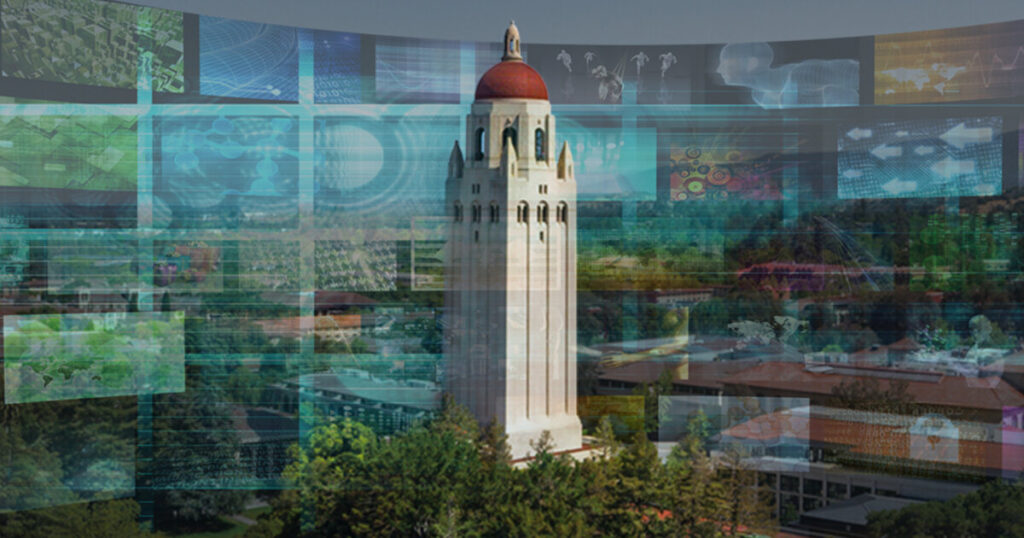
Graduating from Stanford used to guarantee a career in tech. Today, many computer science graduates are discovering their degrees no longer provide the same opportunities. AI coding tools have advanced to the point where one experienced engineer paired with an AI agent can replace ten junior developers.
For students entering the workforce in 2025, the landscape is markedly different. Companies are hiring fewer entry-level engineers, prioritizing those with experience and the ability to work alongside AI. Recent graduates report difficulty securing jobs at top tech firms, prompting many to turn to master’s programs, less prestigious employers, or their own startups.
“Stanford computer science graduates are struggling to find entry-level positions at the biggest tech companies,” said Jan Liphardt, associate professor of bioengineering at Stanford. AI has increased productivity for seasoned engineers but reduced opportunities for newcomers.
The shift is not isolated to Stanford. Universities across California, including UC Berkeley and USC, report similar challenges. For many students, the reality is a split in the market: a small fraction of highly capable engineers still secure top roles, while others face a shrinking pool of opportunities.
Entry-level software jobs are particularly exposed. AI agents can code continuously, handle basic programming tasks faster, and make fewer errors. As a result, even graduates from prestigious institutions find themselves competing in a market where their traditional advantage has been eroded. Studies suggest that hiring for AI-exposed entry-level roles has dropped nearly 20% since 2022. Roles in customer service, accounting, and other fields are also affected, with 40% of tasks potentially automated.
While AI is still limited in consistency and often requires human oversight, the demand for junior developers is declining. Students are adapting by seeking additional skills, learning to manage AI tools, or extending their education with fifth-year master’s programs. Others are lowering their expectations and joining smaller companies or startups.
Some recent graduates who struggled for months eventually found positions where they now manage AI-assisted workflows, effectively performing the work of multiple developers. Universities are being challenged to rethink curricula to prepare students for a world where AI is a constant collaborator.
For everyday readers, this trend illustrates a broader cultural shift: traditional career pathways are being disrupted by automation, and skills that once guaranteed success may need continuous updating to remain relevant.
For questions, tips, or inquiries, email us at hello@laterstack.com.
Related Laterstack Tech Stories
Microsoft’s Copilot Holiday Ad Shows Everything That Doesn’t Work
FTC Forces Instacart to Refund $60 Million Over Deceptive Subscription Practices
Google Sues Web Scraper for Stealing Search Results at ‘Astonishing Scale’
The RAM Shortage Is Not Going Away and Your Next Phone or PC Will Cost More
Mark Laterstack as a preferred source and our reporting shows up higher in your Google results.