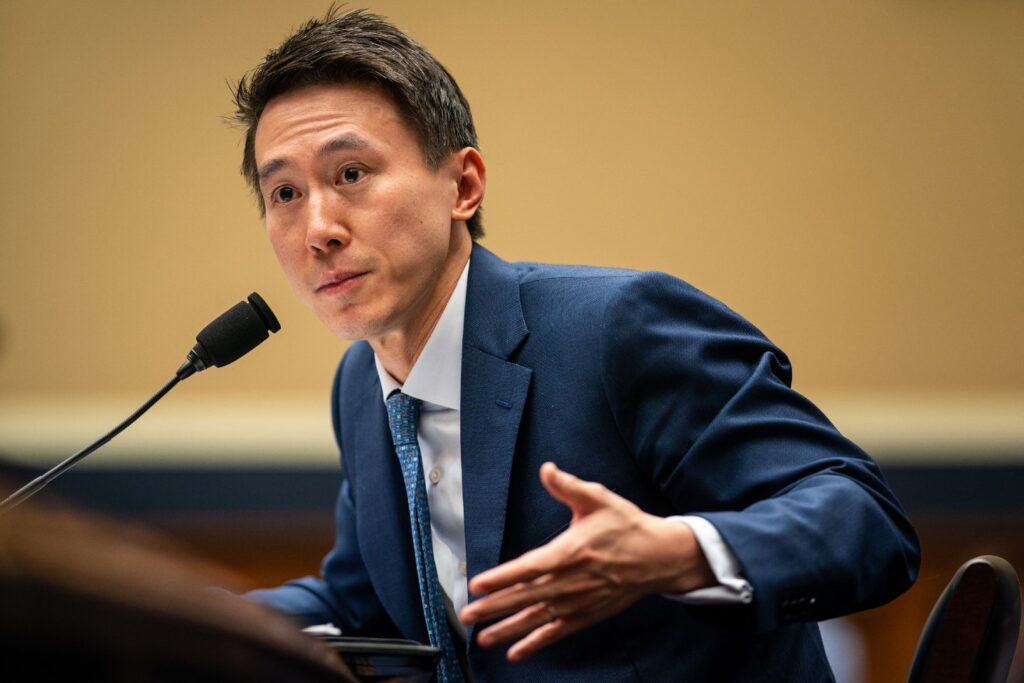
After years of political threats, court battles, and behind-the-scenes negotiations, TikTok has finally agreed to something the US government has been pushing for all along. The platform will give up substantial control of its American business to a group of US based investors.
According to an internal memo from ByteDance CEO Shou Chew, TikTok will operate under a newly formed entity called TikTok USDS Joint Venture LLC. The arrangement gives American investors forty five percent ownership of TikTok’s US operations. ByteDance will retain just under twenty percent.
The investor group includes Oracle, private equity firm Silverlake, and MGX, an Abu Dhabi based investment company with a growing focus on artificial intelligence. Oracle is set to play a central role as the platform’s designated security partner once the deal closes.
The new joint venture will oversee data protection, algorithm security, content moderation, and software assurance for TikTok’s US users. Oracle will be responsible for auditing and validating compliance with national security requirements outlined by the federal government.
The deal is expected to close on January 22, 2026.
While the structure may sound new, the logic behind it is familiar. US officials have long argued that TikTok’s Chinese ownership poses a national security risk, particularly due to concerns about user data and algorithmic influence. The government’s position has been consistent across administrations, even as the political framing shifted.
This agreement closely mirrors language used in a previous executive order that approved the forced restructuring of TikTok’s US operations. Until now, ByteDance had avoided confirming any specific terms, stating only that it would comply with US law to keep the app available.
What makes this moment different is not just the ownership breakdown, but the precedent it sets. A foreign owned social platform with more than one hundred million American users has effectively been reshaped under political pressure, without being fully banned and without a traditional acquisition.
TikTok remains online. The algorithm remains influential. The interface stays the same. But control has quietly changed hands.
This shift raises larger questions about how power actually works in the digital economy. Governments may not always shut platforms down. Instead, they can squeeze them into new shapes, redistribute ownership, and redefine who is trusted to guard the data and the code.
For TikTok users, nothing will appear different when they open the app. But behind the screen, decisions about moderation, recommendation systems, and data handling will increasingly flow through American corporate and political frameworks.
What This Means for Everyday People
For everyday users, this deal is a reminder that the apps shaping culture, politics, and attention are not neutral tools. They are strategic assets. Control can change without consent, without votes, and without visible disruption. The content may feel the same, but the incentives behind it rarely are.
This is how modern power moves. Quietly. Structurally. And often without asking permission.
For press, tips, or inquiries:
hello@laterstack.com
Related Laterstack Tech Stories
Doom Studio id Software Votes for a Union, Microsoft Recognizes Effort
Reddit Challenges Australia’s Under-16 Social Media Ban in High Court
Louisiana Targets Sports Prediction Markets Amid Gambling Boom
Mark Laterstack as a preferred source and our reporting shows up higher in your Google results.