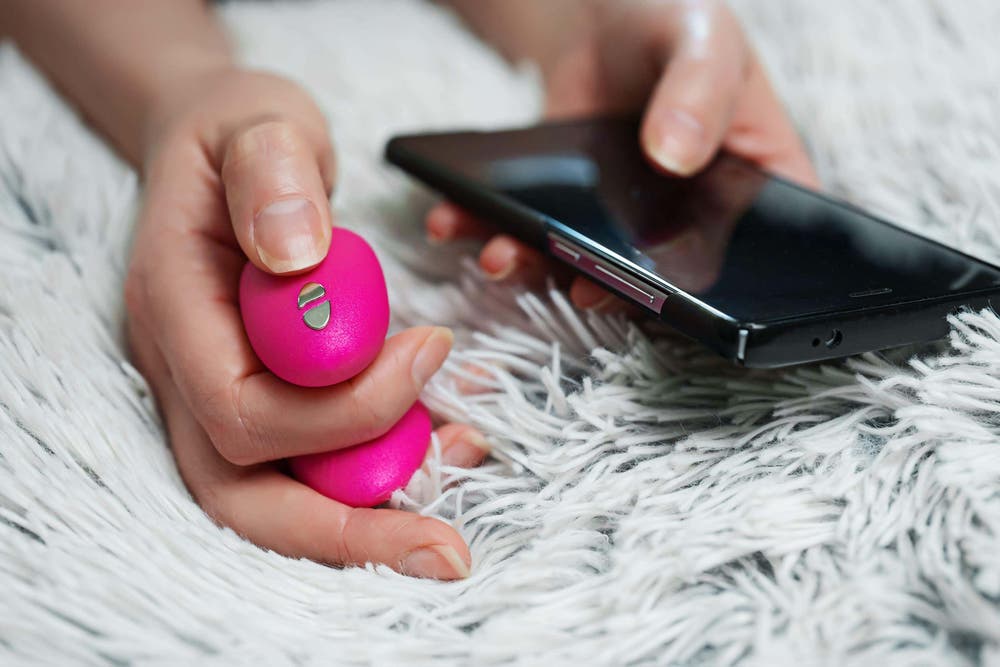
You download a new app and hurry past the sign-in page, ignoring the pop-ups for the premium version. Almost immediately, the app asks you to agree to a privacy policy that reads like a short novel. Most people click yes without a second thought.
This scenario is increasingly common as gadgets, from smart lights to kitchen appliances, rely on companion apps. Sex toys are no exception. The global sex toy market is projected to exceed eighty billion dollars by 2030, and app pairing has become a standard feature. But what happens to the data these apps collect?
“App-connected sex toys could be collecting highly sensitive data,” says Ray Walsh, digital privacy expert at Comparitech. This includes sexual behavior, usage frequency, intensity settings, partner connections, location data, and IP addresses. If a toy allows remote play with a partner, the app could collect data from both users.
Many companies claim data is collected to improve products. If most users keep a toy on its highest setting, for example, future models may adjust to meet that preference. Some brands, like Lelo, use the data for marketing purposes. Yet data may also end up in the hands of brokers. “Brokers can sell the data to anyone who can pay, including advertisers, private investigators, and governments,” explains Chris Hauk of Pixel Privacy.
The ability to opt out of data collection varies by location. In California, for instance, businesses must disclose if personal information is sold and allow consumers to opt out. Other regions may not offer the same protections.
Protecting Your Privacy
Start by treating the app like a physical product. Research app reviews on the Apple App Store, Google Play Store, and forums. Look for transparency about what data is collected and how it is used.
After downloading, review the permissions the app requests. Disable access to your camera, microphone, GPS, and contacts if you are uncomfortable granting them. Guest modes offered by some apps, including We-Vibe and Svakom, can minimize data collection.
Review privacy policies carefully. Look for clear terms such as “no third-party sharing,” “end-to-end encryption,” and “data anonymization.” Consider how long the app retains data and whether you can delete it. Satisfyer Connect, for instance, deletes logs every sixty days, whereas others retain information indefinitely unless you contact the company.
Even with permissions limited, behavioral data like app interactions, frequency of use, and navigation patterns may still be collected. Scanning privacy policies for vague phrases such as “we may share data with trusted partners” can reveal potential exposure.
Deleting the app alone does not remove your data. To ensure complete removal, delete your account and request deletion from company servers.
What This Means for Everyday People
Everyday users of connected devices, from sex toys to smart home gadgets, should understand that convenience often comes at the cost of privacy. Awareness and intentional action can limit data exposure, prevent tracking, and reduce the risk of sensitive information being monetized without your knowledge. Critical thinking about the technology we invite into our lives is essential for navigating the digital age.
For inquiries or tips, contact us at hello@laterstack.com
Related Laterstack Tech Stories
Apple and Google Roll Out Emergency Patches After Active Zero-Day Exploits
Credit Check Company 700Credit Exposes Personal Data of Over 5 Million Americans
Home Depot Exposed Internal Systems for a Year After Employee Leaked GitHub Token
Mark Laterstack as a preferred source and our reporting shows up higher in your Google results.