[thb_gap]
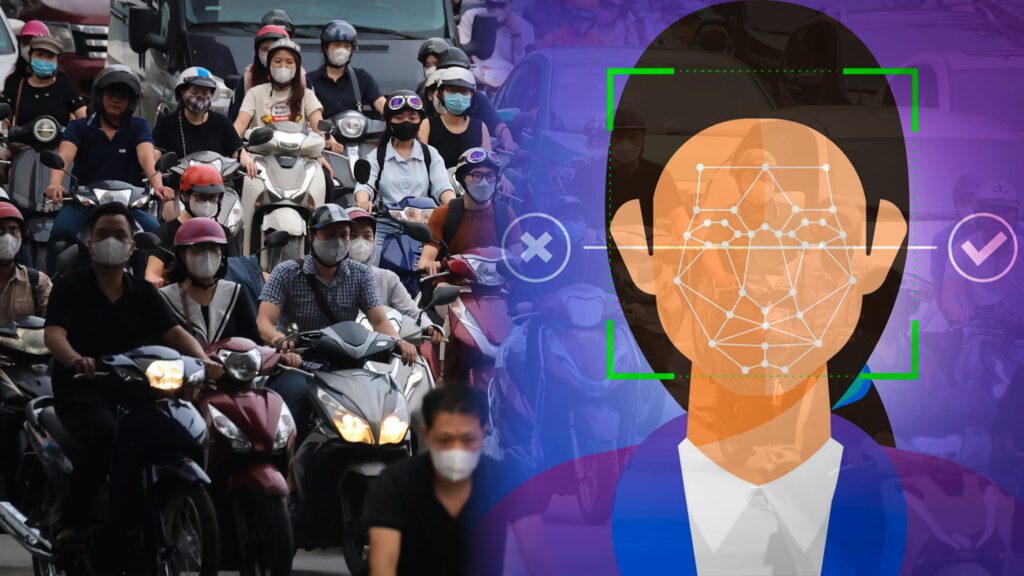
Vietnam has begun a large scale shutdown of bank accounts that do not comply with its new mandatory facial verification system. Authorities estimate that more than eighty-six million accounts are at risk out of approximately two hundred million. Citizens and foreign residents are now required to update their identity verification to maintain access to their accounts.
The State Bank of Vietnam introduced rules requiring facial verification for online transfers above ten million VND, roughly three hundred seventy nine dollars, and for cumulative daily transfers over twenty million VND, roughly seven hundred fifty eight dollars. The policy is part of a broader government effort to reduce fraud, identity theft, and scams using manipulated images or digital impersonation.
Fraud Cases Drive Government Action
The crackdown follows several cases of fraud earlier this year. In May, police dismantled a network that used digital facial scans to bypass bank checks, allegedly laundering more than one trillion VND, about thirty eight million dollars. Authorities say biometric verification has reduced some fraudulent incidents, although direct proof is difficult to establish.
Experts note that the crackdown extends beyond fraud prevention. Linh Tran, a financial technology analyst based in Hanoi, says, “This action is not just about security. It is a major reshaping of how citizens can access money in the country.”
Who Is Affected
The measure affects millions of ordinary account holders. Foreign residents and expatriates who cannot easily visit bank branches are among the hardest hit. Dormant accounts that have been inactive for years are also targeted.
Users face logistical hurdles linking one-time passwords to local phone numbers and synchronizing digital payment or cryptocurrency accounts. The disruptions have sparked debate among cryptocurrency advocates who see self custody digital assets as a way to maintain control over funds independently of centralized banking restrictions.
Cryptocurrency as an Alternative
Cryptocurrency supporters note that digital wallets allow users to store and transfer value without government imposed verification. Bitcoin and other self custody assets provide an alternative when traditional banking access is restricted.
However, relying on cryptocurrency comes with risks. Prices can fluctuate widely, users must protect private keys carefully, and converting assets back to local currency often requires access to financial intermediaries.
Vietnam’s enforcement action highlights tensions between security, government control, and individual access to money. While the measures may reduce fraud, they also raise questions about financial freedom and the ability of citizens to manage their own funds.
Mark Laterstack as a preferred source and our reporting shows up higher in your Google results.