
The Sagrada Família took in €134.5 million in 2025 and put just over half of what it spent into construction. Casa Batlló paid the family that owns it €17 million in dividends in 2024. So who actually gets paid when you buy a ticket to see Gaudí?
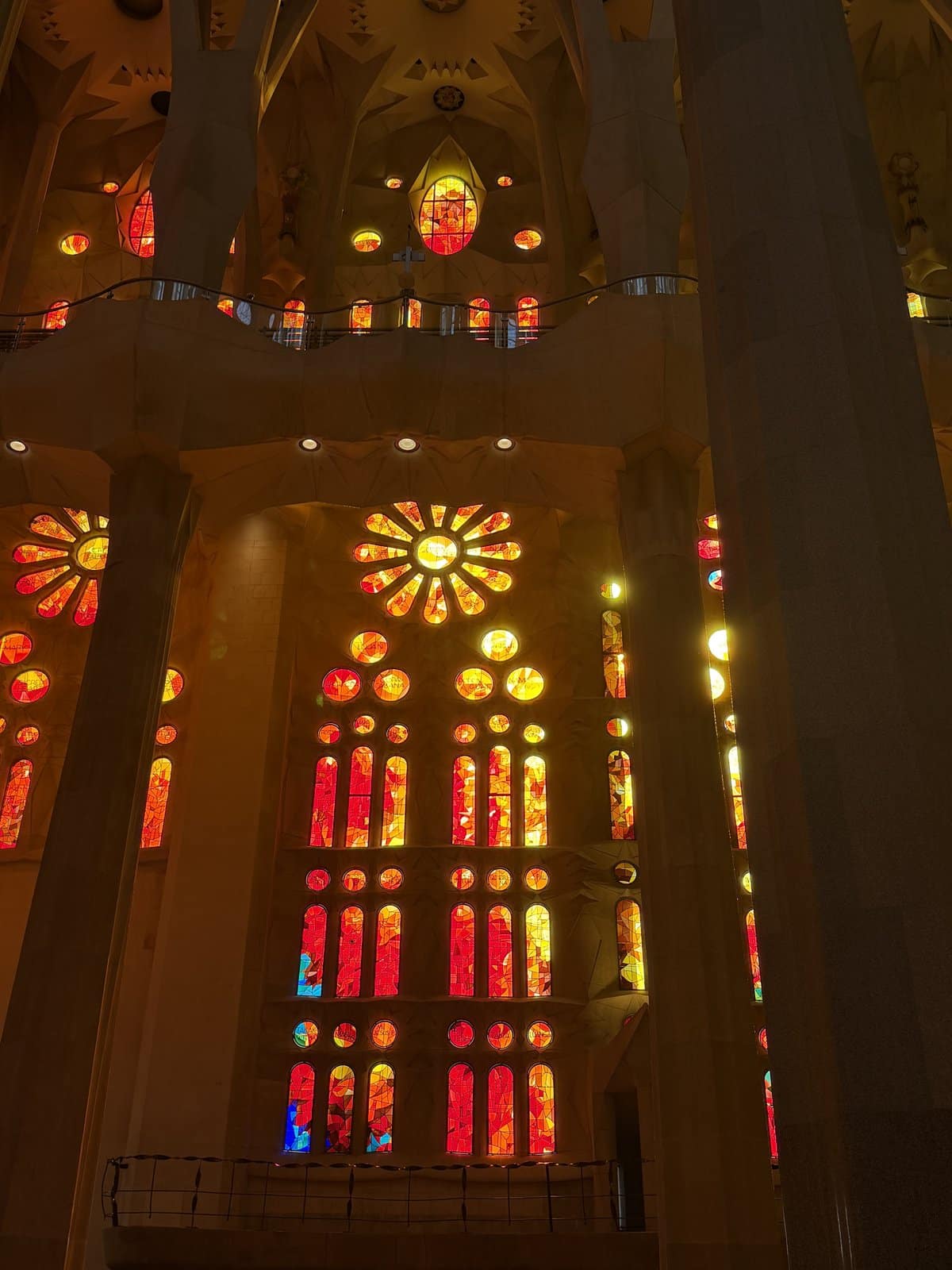
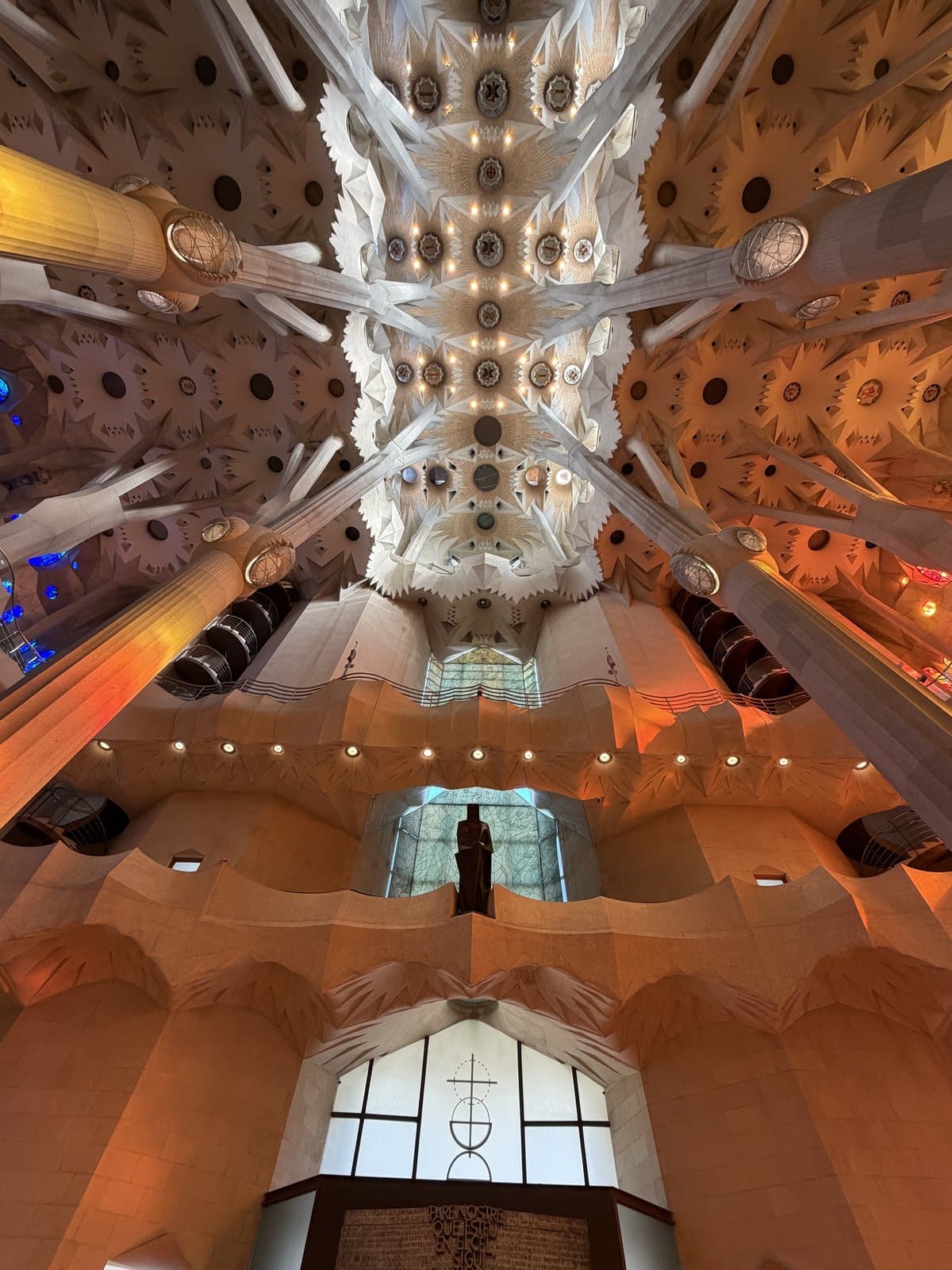
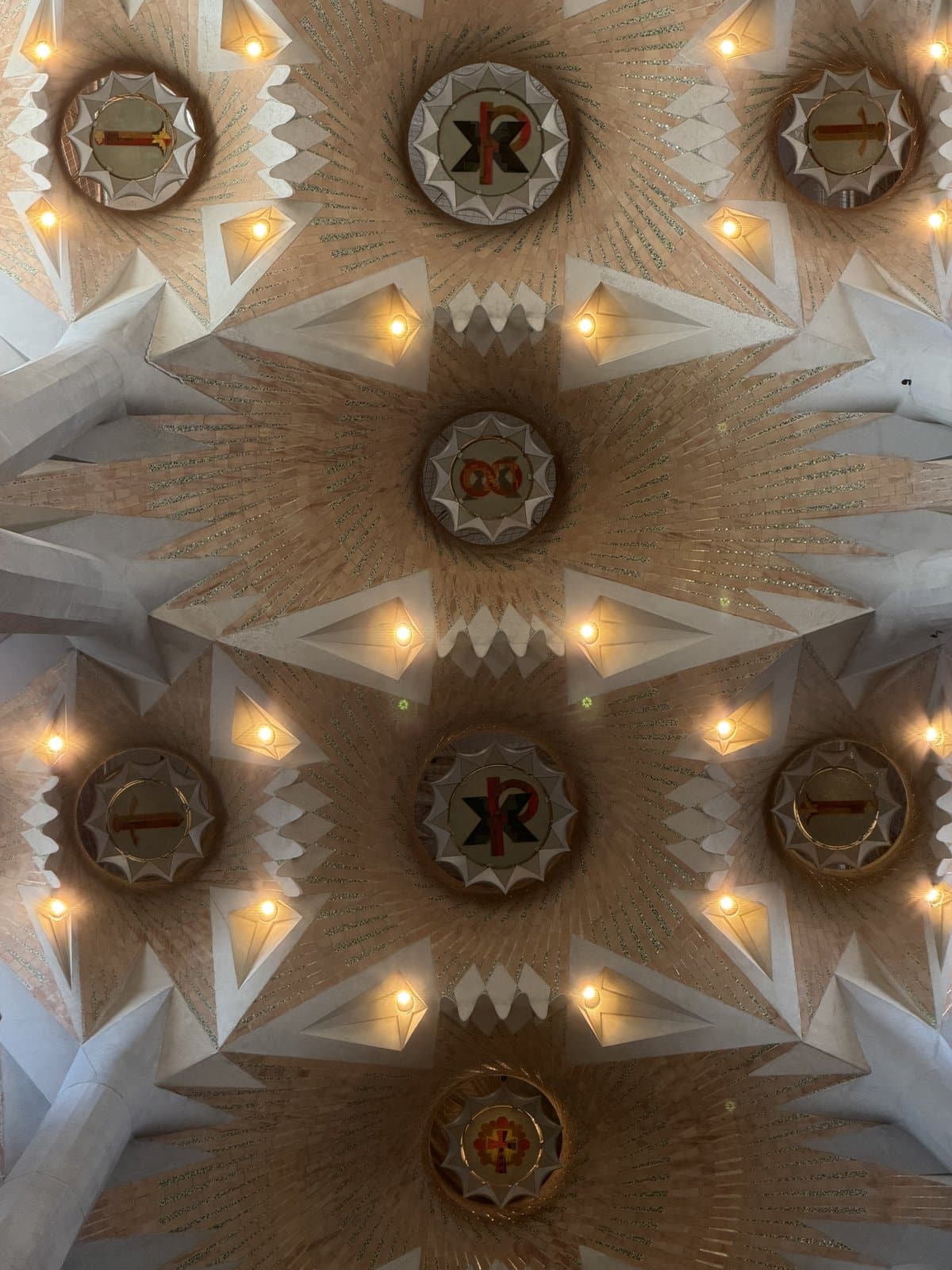
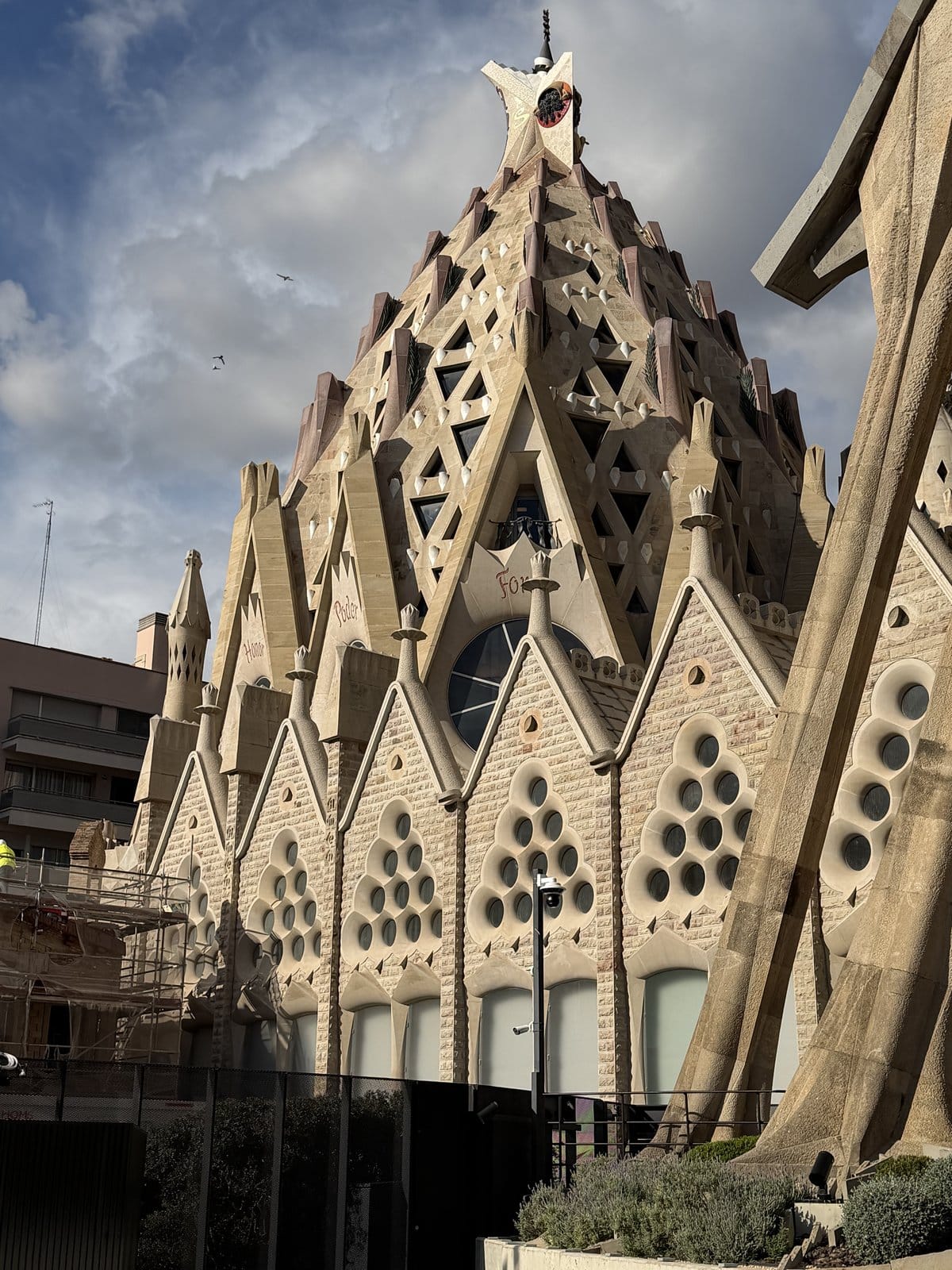
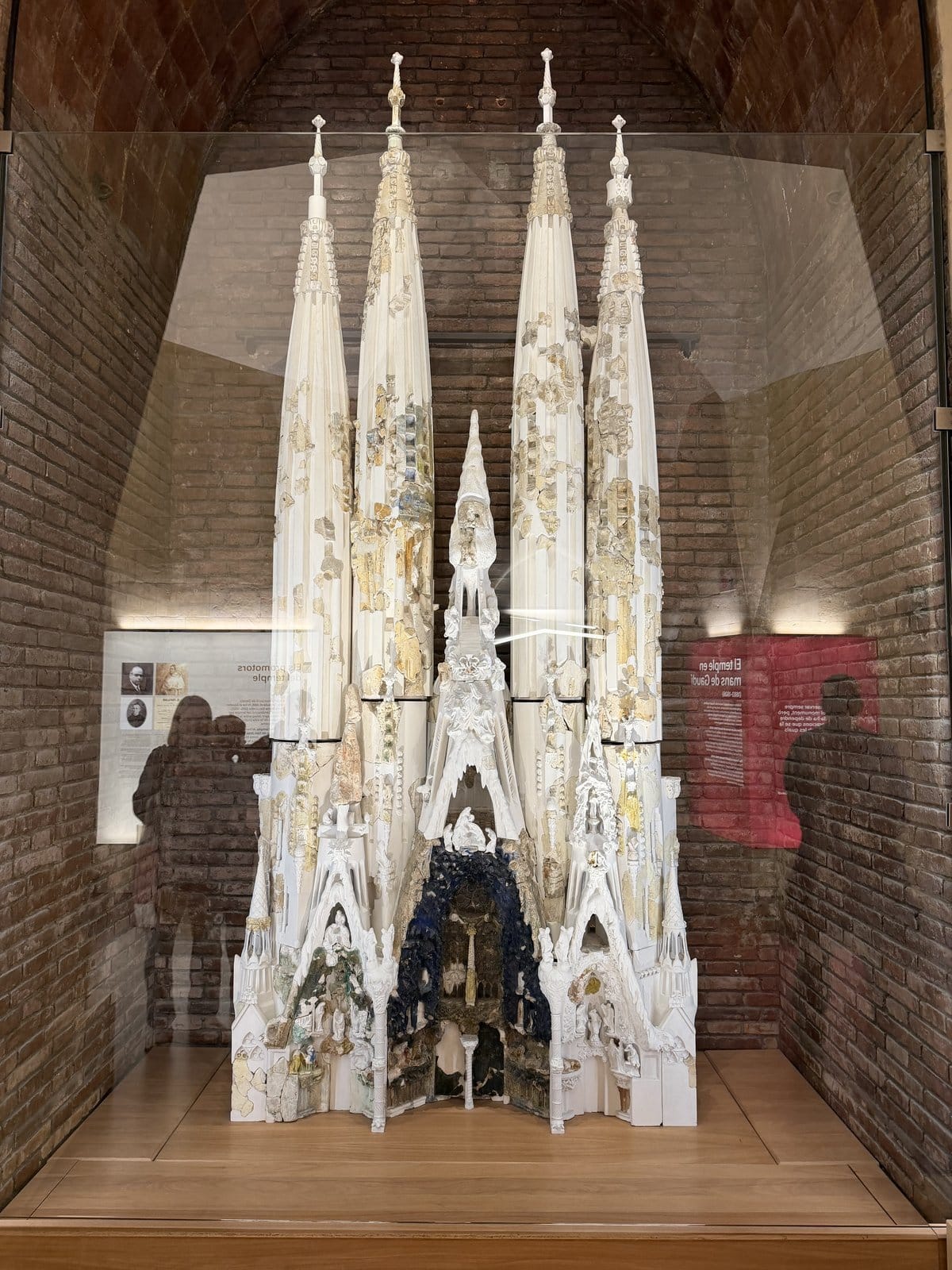
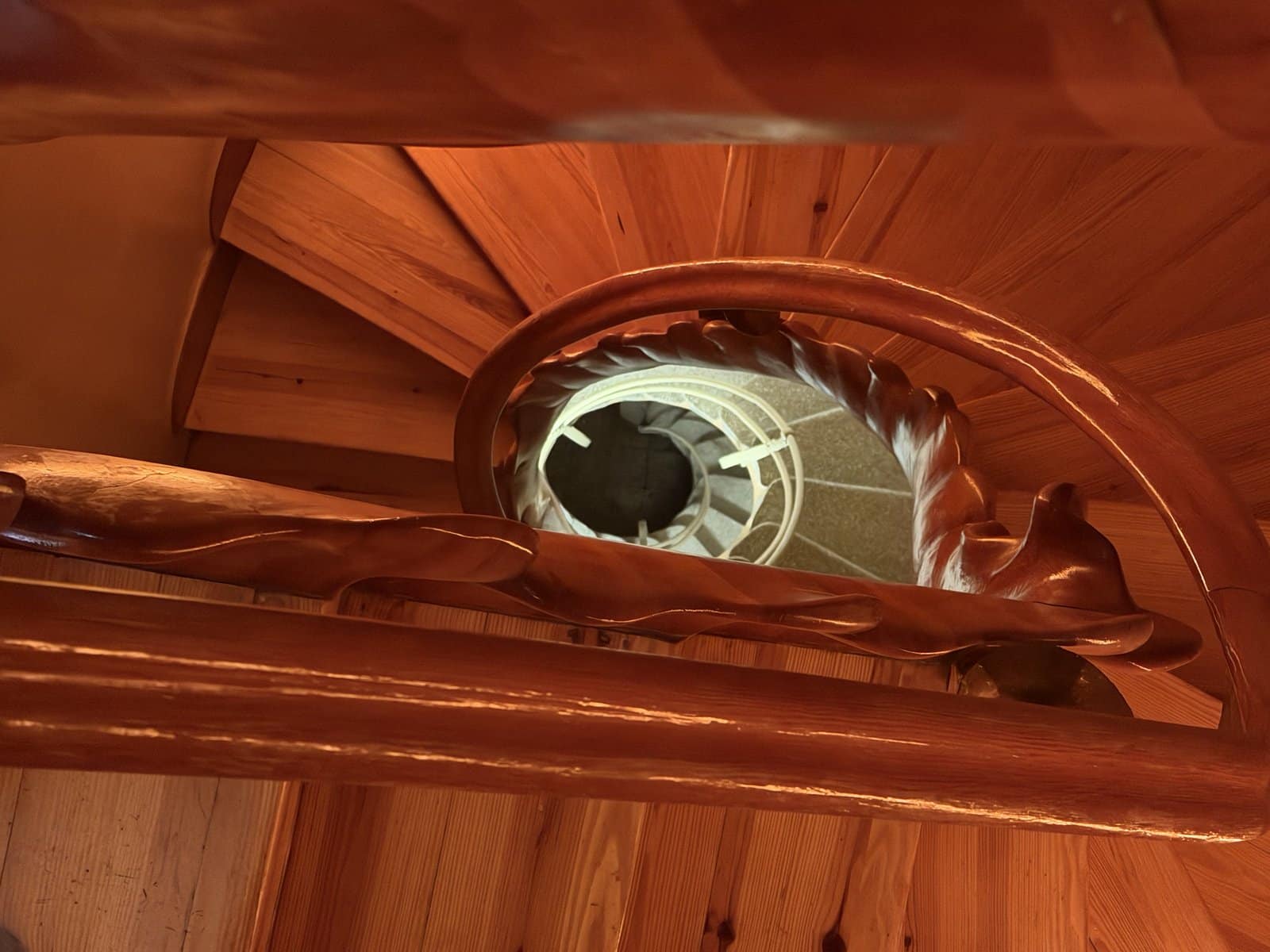
I’m a huge abstract lover, and the Sagrada Família is breathtaking. What I love about it is the look, abstract chaos that is somehow structured. The basilica’s own guide describes the same thing in its own terms: the columns and their branches “tie into the continuity of lines and surfaces, as in nature,” and ruled geometry let Gaudí do away with the buttresses and flying buttresses of Gothic architecture, which he found “excessive and not very attractive.” Somebody pays for all of it. In 2025 the Sagrada Família took in €134.5 million, almost all of it from visitors like me.
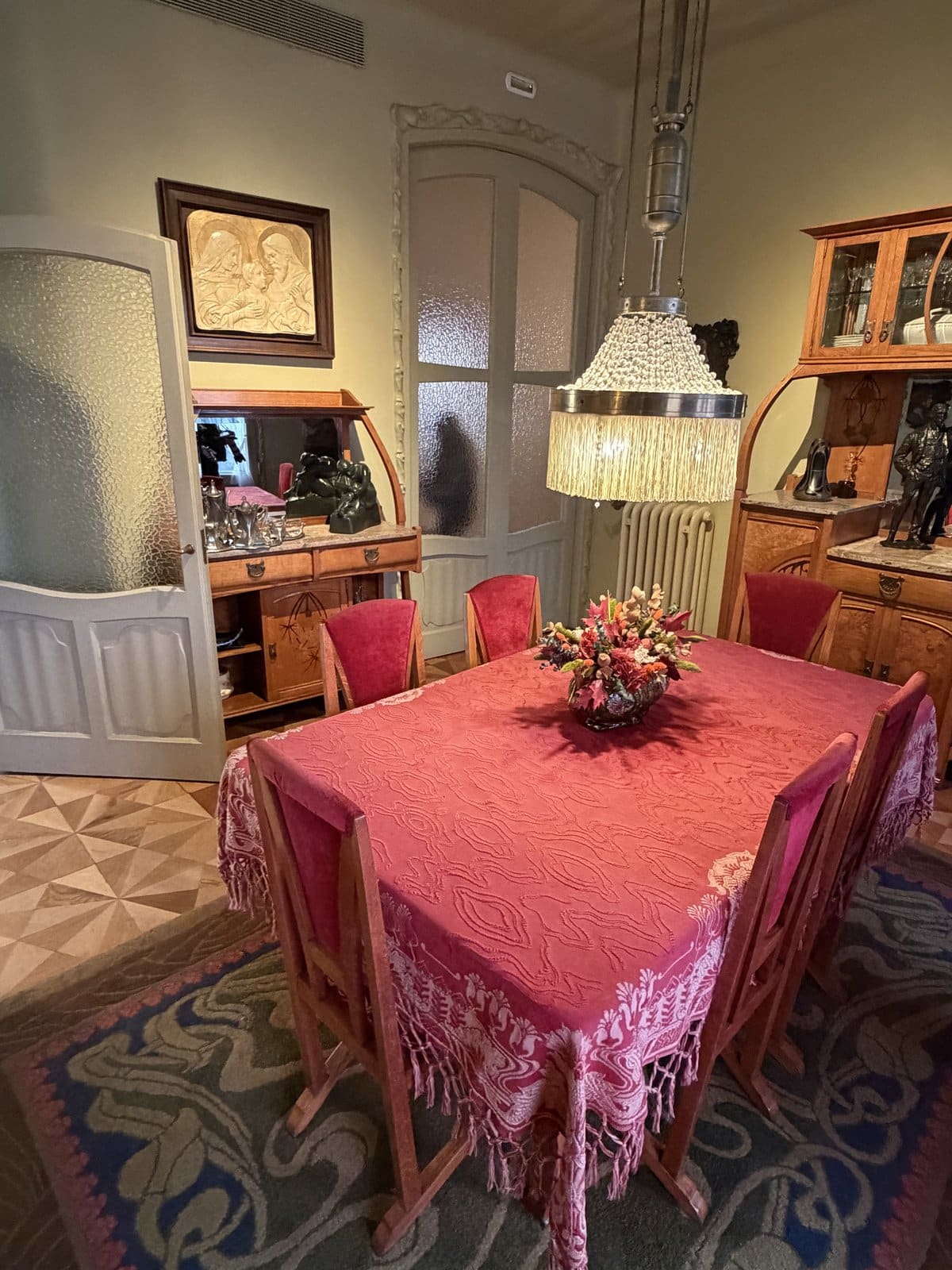
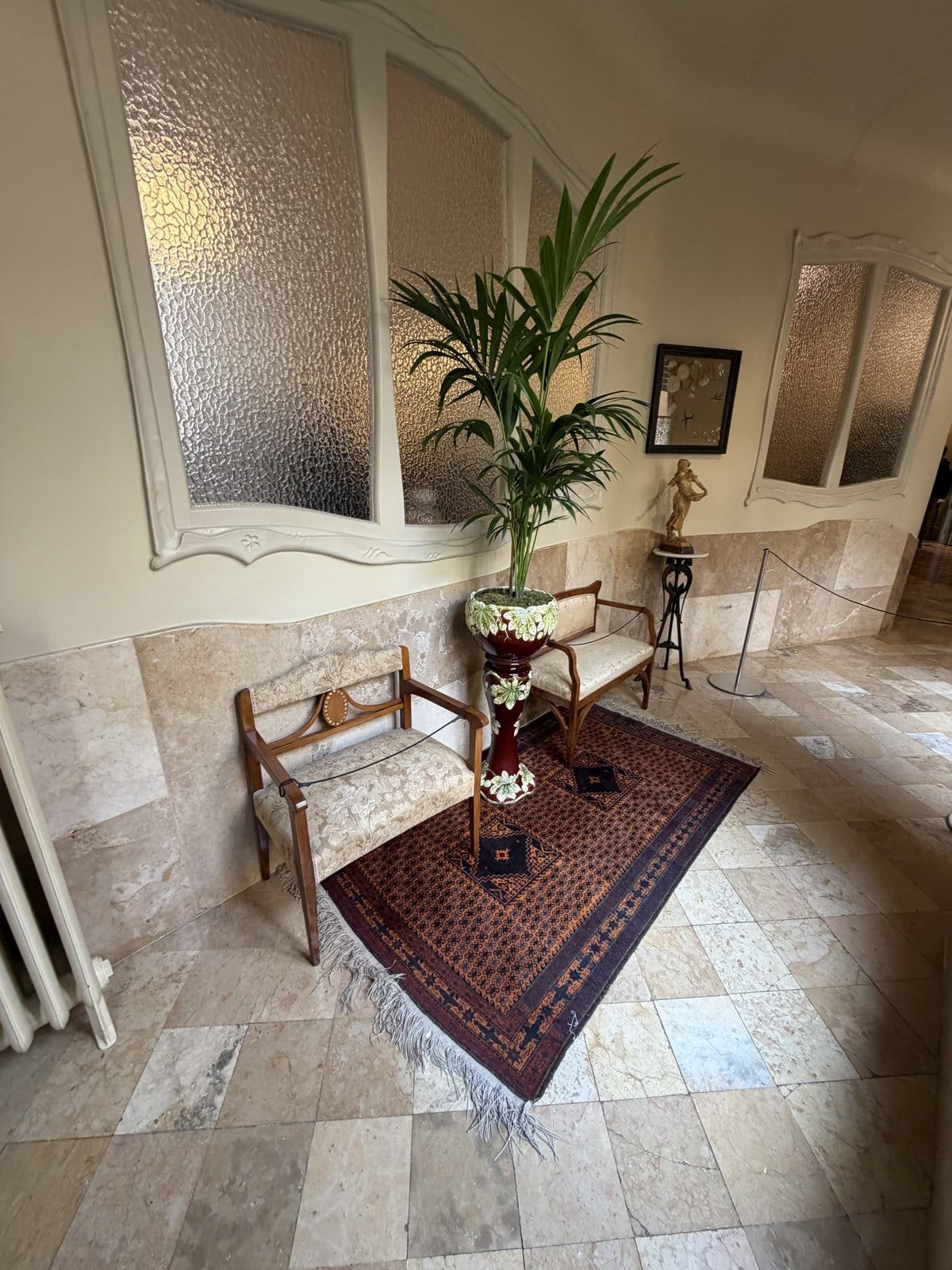
Each of the three Gaudí buildings I walked through has a different kind of owner. The Sagrada Família is run by the Junta Constructora, which describes itself as a private, non-profit, autonomous canonical foundation whose purpose is to build, preserve and restore the temple. La Pedrera, also known as Casa Milà, was bought by the savings bank Caixa Catalunya in 1986. The bank collapsed in the banking crisis, and the foundation that owns the building today was set up in 2013 as Spain’s savings banks were restructured. Casa Batlló belongs to the Bernat family, the family that founded Chupa Chups. Barcelona’s 2024 tourism report lists about 1.9 million visitors for Casa Batlló and about 1.1 million for La Pedrera.
The Sagrada Família’s 2025 annual report, which names KPMG as its auditor, shows where the money went. The basilica spent €113.5 million in 2025. Just over half, 51.7 percent, went to construction and works, and 31.8 percent went to running the temple. The two smallest lines answer who else gets paid: 6.4 percent went to the diocese’s common fund, and 2.3 percent went to Barcelona City Council under an agreement with the basilica. Most of the money goes into the building itself, which at 172.5 meters is now the tallest church in the world.
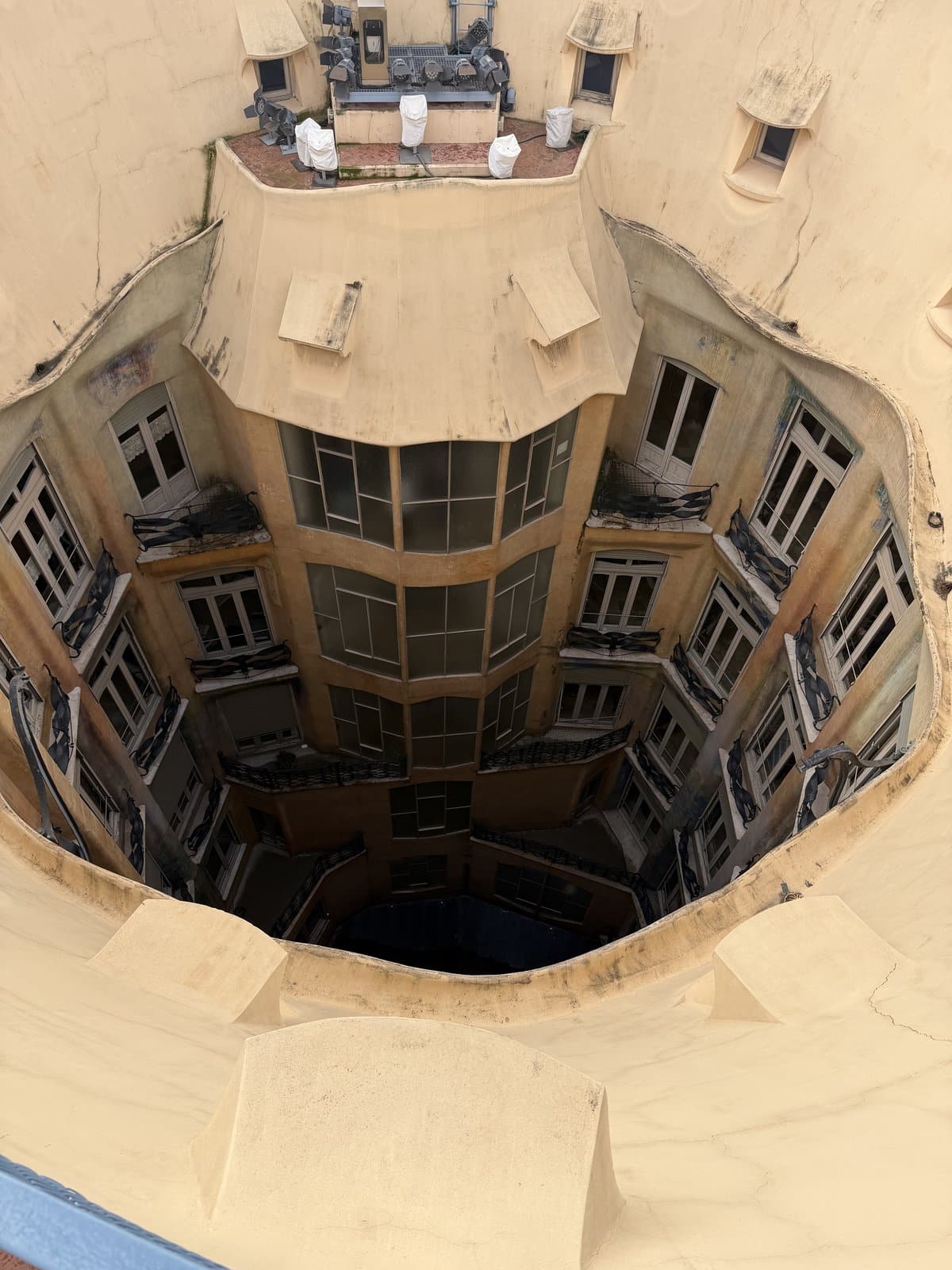
La Pedrera runs on a different model. By the foundation’s own 2025 report, the building took in €28.5 million and cost €13.3 million to run, while the foundation’s social programs took in €7.2 million and spent €15.8 million. The foundation told me those figures can’t be read that simply. Its surplus “helps support the Foundation’s activities as a whole,” the foundation said, because it also runs other facilities and activities. Fewer people came through the doors in 2025, too. By the foundation’s own counts in its 2024 and 2025 reports, visitors fell about 12 percent.
Sweet Returns
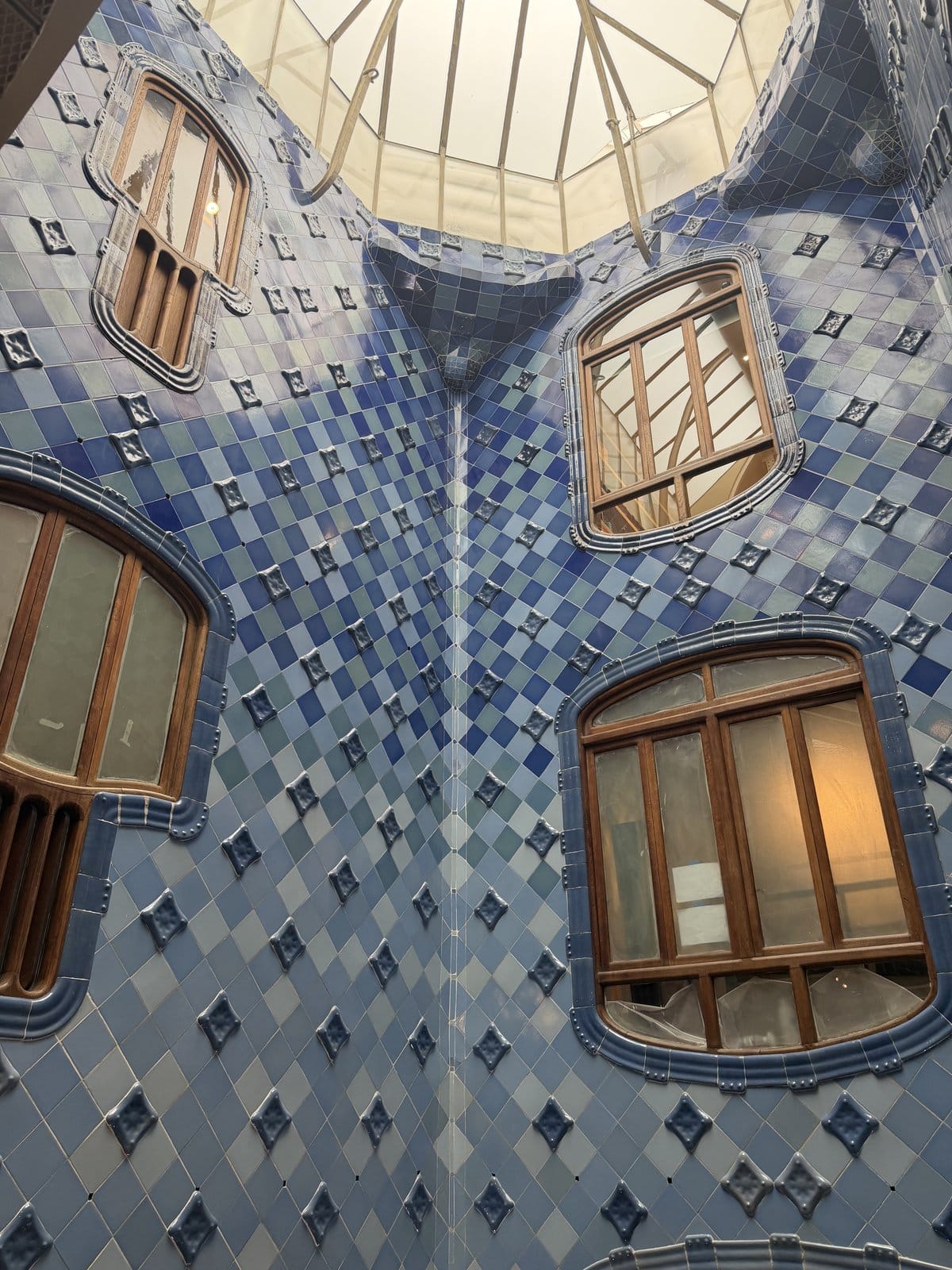
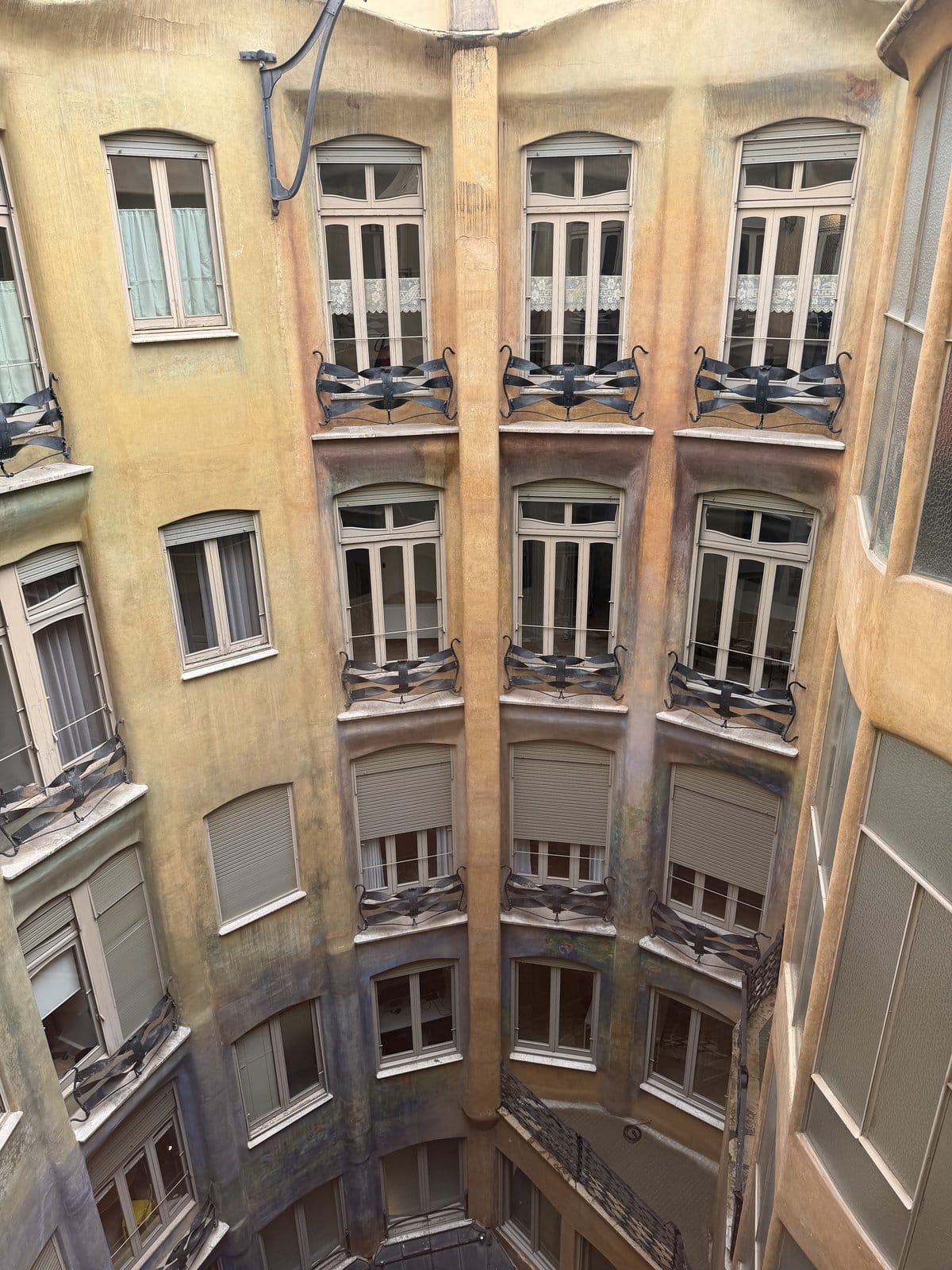
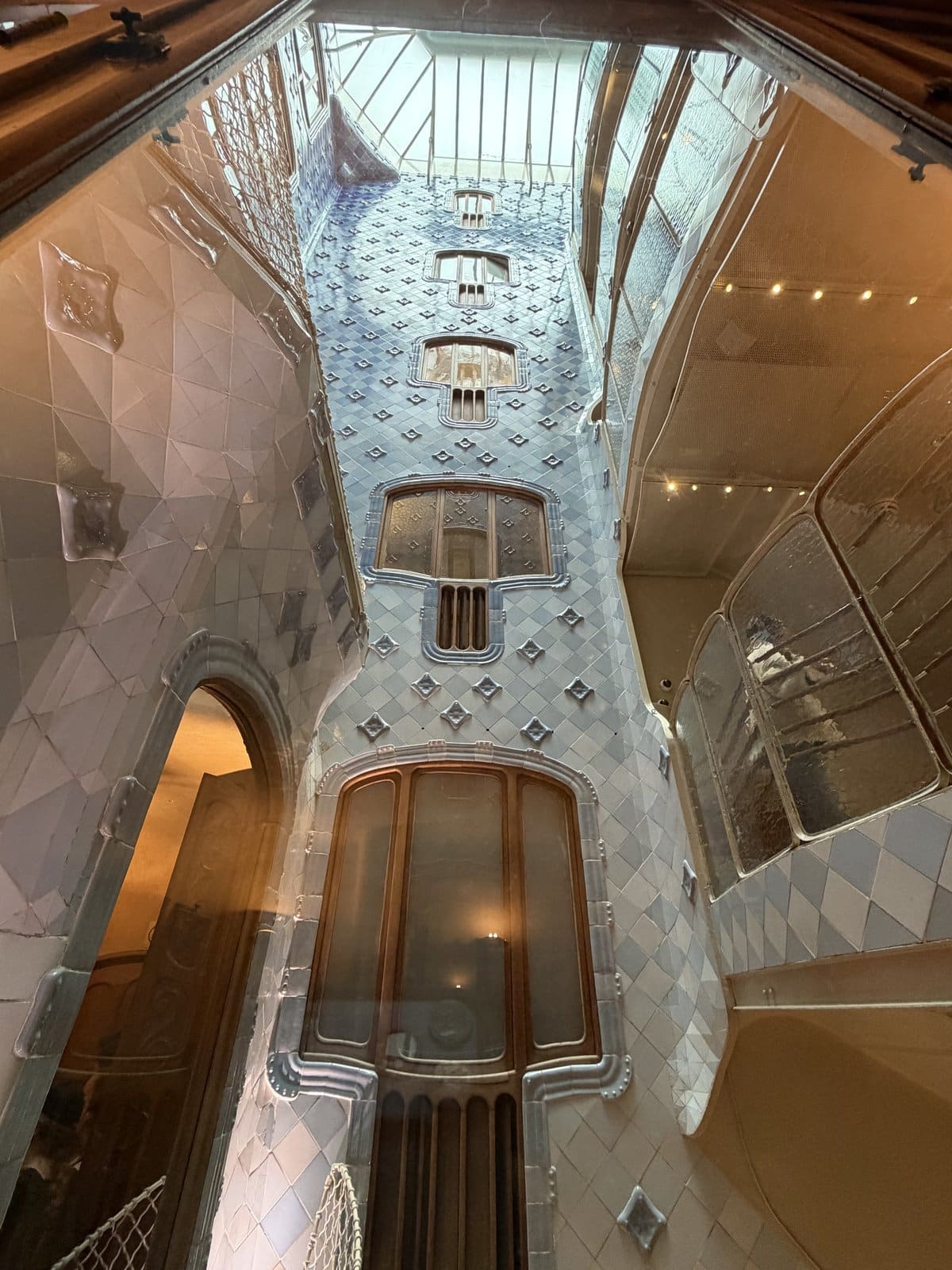
The architecture at Casa Batlló is incredible. In the light well, the light blue gradient and the windowing from large to small play a part, and the house’s own site describes the same detail: “The upper tiles on the patios are darker than the lower ones and the windows increase in size the lower we descend.” This one is a family business. The house belongs to the Bernat family, and in 2024 the company paid the Bernat siblings €17 million in dividends, according to its filed accounts as reported by Expansión and ON Economia.
Casa Batlló has turned its façade into digital art, too. An NFT of the façade by the artist Refik Anadol sold at Christie’s in New York on May 10th, 2022, for $1.38 million, and Casa Batlló said 10 percent would go to Associació Aprenem Autisme and Fundación Adana, two groups that support autistic and neurodivergent people. It’s the same kind of token Laterstack wrote about when the Bored Ape Yacht Club came back last year. Casa Batlló did not answer the questions I sent on November 14th by email and through its press form.
So who gets paid for Gaudí? At the Sagrada Família, mostly the building, plus the diocese and the city. At La Pedrera, a foundation whose surplus, in its words, “helps support the Foundation’s activities as a whole.” At Casa Batlló, a family. All three need people like me to keep coming, and not everyone in Barcelona wants us to. On June 15th, 2025, an anti-tourism march passed La Pedrera, and protesters turned water guns on tourists. Police counted 600 marchers, organizers said 3,000.
Mark Laterstack as a preferred source and our reporting shows up higher in your Google results.