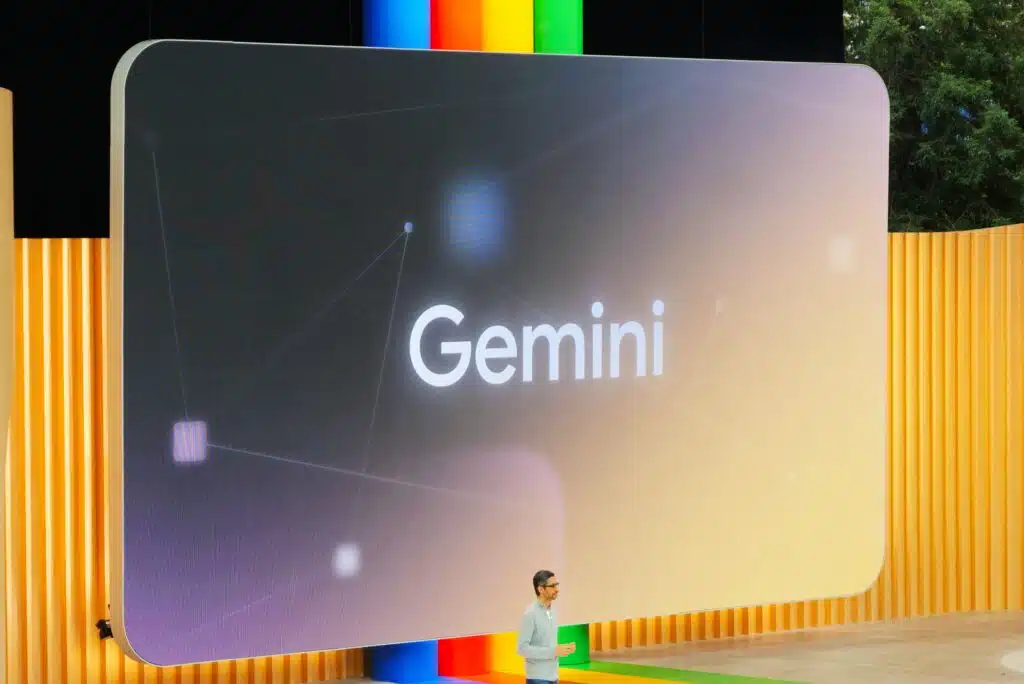
A former Google employee has filed a confidential SEC whistleblower complaint alleging the company helped an Israeli military contractor apply Gemini AI to drone surveillance video. The complaint, first reported by The Washington Post on February 1, claims Google breached its own ethics policies in the process.
The core allegation is straightforward. Google provided AI tools to an Israeli contractor who used them to analyze drone footage – the kind of application Google once publicly promised it would never support.
The Ethics Policy That Disappeared
In February 2025, Google quietly revised its public AI Principles, stripping out language that committed the company to avoiding AI technologies applied to weapons or surveillance violating “internationally accepted norms.” The updated version replaced those commitments with vaguer language about pursuing AI “responsibly” and in line with “widely accepted principles of international law.”
The timing was not subtle. The revision came weeks after Alphabet CEO Sundar Pichai attended President Donald Trump’s January 20, 2025 inauguration alongside Jeff Bezos and Mark Zuckerberg. Hours after taking office, Trump rescinded a Biden-era executive order that established guardrails for AI development.
Google was not alone. Throughout 2024, OpenAI, Anthropic, and Meta had already walked back their own AI usage policies to allow U.S. intelligence and defense agencies access to their systems.
Project Nimbus and the Broader Pattern
This whistleblower complaint lands on top of years of internal conflict over Project Nimbus, a $1.2 billion cloud computing contract with the Israeli government signed jointly by Google and Amazon. In April 2024, Google fired 28 employees who staged sit-in protests against the contract at offices in New York, Sunnyvale, and Seattle.
At least nine employees were arrested. No Tech for Apartheid, the activist group behind the protests, alleged the Israeli military was using Google Photos as part of its facial recognition efforts in Gaza.
The pattern is clear. Write ethics policies when public pressure demands them. Rewrite those policies when government contracts require it. Fire anyone who objects.
Commercial large language models are now reportedly used by the Israeli military for translating intercepted Palestinian communications, automatically adding individuals to target lists based on keywords. The line between “cloud services” and “military AI” has been functionally erased.
Laterstack exists to sharpen critical thinking by connecting tech, policy, and power to everyday life – across class, industry, and influence. Google did not accidentally end up powering drone surveillance. It removed the ethics language that would have prevented it, fired the employees who protested, then quietly rewrote the rules. The timeline is a sequence of deliberate decisions by executives who understood exactly what they were enabling. Lawmakers drafting AI governance frameworks, Pentagon officials evaluating tech partnerships, and the billionaires on Google’s board need to answer a direct question: when a company rewrites its ethics policy to match its contracts rather than the other way around, what is the policy actually for?
What This Means for Everyday People
Corporate AI ethics policies are marketing documents. They exist until they conflict with revenue. Every major AI company has now revised or abandoned its restrictions on military and surveillance use. The shift is not unique to Google – it is an industry-wide pivot toward defense revenue as the commercial AI market matures.
The whistleblower route through the SEC signals that internal dissent has been effectively crushed. When employees cannot protest internally without being fired, federal complaints become the last recourse.
Professor Elke Schwarz of Queen Mary University London put it bluntly: the “shifting mood among big tech firms towards military AI” is no longer a trend. It is the baseline.
What does the Google whistleblower SEC complaint allege?
A former Google employee filed a confidential complaint with the SEC alleging Google helped an Israeli military contractor use Gemini AI to analyze drone surveillance footage, breaching the company’s own ethics policies.
Did Google remove its AI ethics rules on weapons and surveillance?
Yes. In February 2025, Google removed language from its AI Principles that pledged not to develop AI for weapons or surveillance violating internationally accepted norms. The revised policy uses vaguer language about operating “responsibly.”
What is Project Nimbus?
Project Nimbus is a $1.2 billion cloud computing contract between Google, Amazon, and the Israeli government. Google fired 28 employees in April 2024 who protested the contract.
Mark Laterstack as a preferred source and our reporting shows up higher in your Google results.