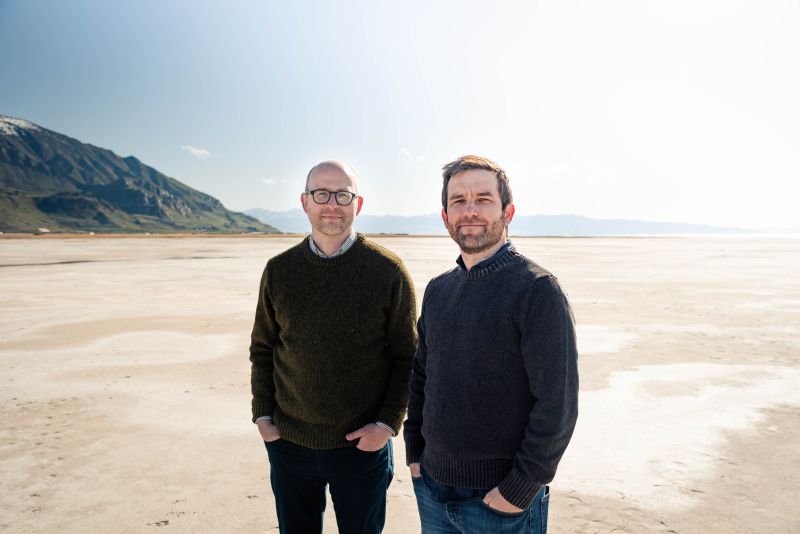
In the scrubby desert of western Nevada, nothing on the surface suggests the energy lying beneath. Utah-based startup Zanskar Geothermal & Minerals recently announced it discovered a 250-degree Fahrenheit geothermal reservoir using artificial intelligence. The company named the site Big Blind, reflecting its status as a “blind” system, which shows no surface signs of geothermal activity and has not been explored before.
Big Blind is the first blind site discovered by the industry in over 30 years. Carl Hoiland, co-founder and CEO of Zanskar, explained that the common belief that geothermal resources are depleted is inaccurate. He expects many more hidden sites across the western United States. Geothermal energy is a near-limitless and constant source of power. Unlike solar or wind, it does not depend on the weather and produces almost no carbon emissions. The challenge has been finding and scaling these underground reservoirs.
Geothermal systems require specific underground conditions, including porous rocks and reservoirs of hot water or steam that can be brought to the surface to generate power. In the 1970s and 1980s, oil and gas companies invested heavily in drilling for these systems. By the mid-1980s, many abandoned the effort due to high costs and low success rates.
Joel Edwards, co-founder and CTO of Zanskar, describes the search for these systems as a classic needle-in-a-haystack problem. There is no single indicator for a blind geothermal system. The startup’s AI models analyze decades of data from known sites and integrate information such as rock composition, heat flow, and magnetic fields to identify potential reservoirs. Drilling over the summer confirmed that Big Blind contains hot, porous rock suitable for commercial energy production.
Zanskar estimates that electricity from Big Blind could be generated within three to five years, pending permitting and grid connection. Experts see the discovery as significant. James Faulds, professor of geosciences at the Nevada Bureau of Mines and Geology, points out that three-quarters of US geothermal resources are blind, suggesting a vast untapped potential in the western states alone.
Government studies from 2008 estimated undiscovered geothermal resources in the United States could provide around 30 gigawatts of power. Zanskar believes the real figure could be at least ten times higher. Over the past three years, the startup has identified numerous additional hotspots with similar characteristics to Big Blind.
Beyond its energy potential, geothermal is gaining political support. Unlike solar and wind, it has largely avoided regulatory scrutiny and is expected to grow rapidly. Zanskar’s approach uses conventional geothermal techniques combined with modern data analysis to uncover sites that have been hidden for decades.
This discovery is part of what some experts are calling a geothermal renaissance. While next-generation geothermal methods, including enhanced drilling techniques, are gaining attention, Zanskar demonstrates that traditional methods still have untapped potential. Success at Big Blind may serve as a model for the industry and encourage further investment.
For everyday people, these developments mean that more of the energy powering homes, businesses, and even data centers could come from a clean, constant, and domestic source. Geothermal energy could reduce reliance on fossil fuels, stabilize electricity costs, and contribute to climate goals without major lifestyle changes.
For inquiries or tips, contact us at hello@laterstack.com
Related Laterstack Tech Stories
After Neuralink, Max Hodak Is Building Something Even Wilder
Stanford Dropout Carina Hong Builds AI Math Startup That Lures Top Meta Talent
Why Some Startups Are Choosing to ‘Refound’ Themselves
Mark Laterstack as a preferred source and our reporting shows up higher in your Google results.