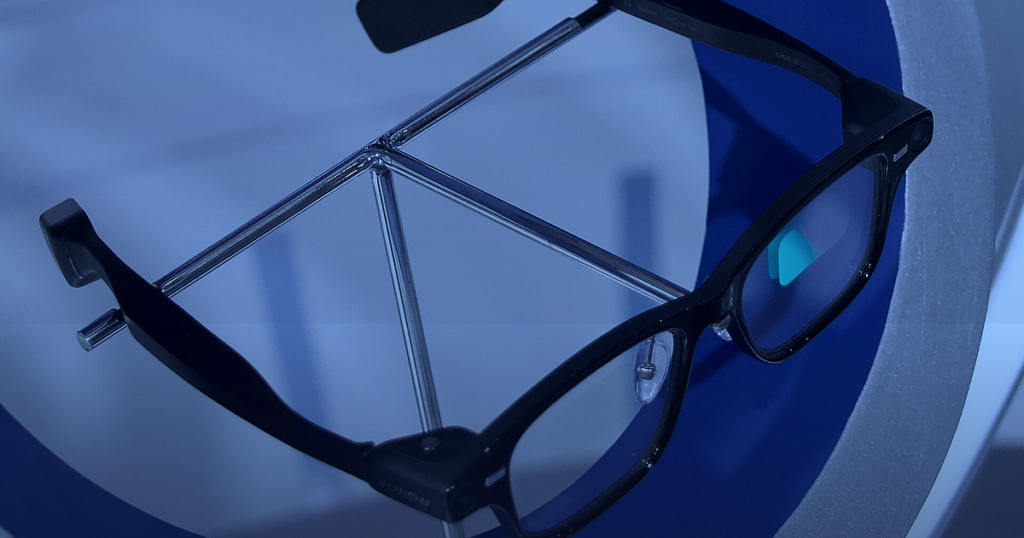
Workers at an outsourcing firm in Nairobi, Kenya are watching people naked, on the toilet, and having sex. They are also seeing credit card numbers and other financial information flash across their screens. All of it captured by Meta’s Ray-Ban smart glasses, sent to these workers to label and annotate so Meta’s AI models can learn to see.
This was first reported by Swedish newspaper Svenska Dagbladet on February 27, 2026, and has since been confirmed by multiple outlets including Engadget and Android Headlines. The workers told journalists exactly what they are seeing. There is no ambiguity here.
Meta’s defense is that users agreed to it. Somewhere in the terms of service, buried under thousands of words of legalese, is a clause that permits human review of any data captured by the glasses. Every person who put on a pair of Ray-Ban Metas technically consented to having their most private moments sent to a room full of strangers in East Africa.
This is privacy violation dressed up as a checkbox.
The Business Model Is the Problem
Meta did not stumble into this. The company’s AI models require massive amounts of visual data to train, and human annotators are the cheapest way to label that data. Outsourcing to Kenya, where workers earn a fraction of what American or European moderators would cost, is the same playbook Meta has used for years. Time magazine reported in 2023 that Kenyan workers were paid less than $2 per hour to label traumatic content for OpenAI. The pattern is identical. The only difference is that this time the content is coming from cameras strapped to people’s faces.
Meta spent $83 billion on the metaverse before killing its VR studios and pivoting hard to smart glasses. This is the product line they are betting the company’s future on. And the data pipeline feeding its AI depends on routing intimate footage of its own customers to underpaid workers overseas.
That is not a bug in the system. That is the system working exactly as designed. Extremely invasive and a complete violation of privacy, all in service of profit. Pure greed wrapped in a terms of service agreement.
What GDPR Lawyers Are Already Saying
Data protection lawyers cited in the original Svenska Dagbladet report flagged that this practice likely violates GDPR requirements around transparency and informed consent. Under European law, users must be clearly informed about how their personal data is processed. A blanket clause in a terms of service document does not meet that standard, especially when the data includes nudity and financial information being processed by third-party contractors on a different continent.
The question is whether European regulators will act. The EU has already opened investigations into Grok for generating images of minors. Meta’s smart glasses pipeline is a more straightforward GDPR case. The data is intimate. The processing is overseas. The consent mechanism is inadequate. Every element of a violation is present.
The Uncomfortable Reality
Nobody reads terms of service. Everybody knows this. Companies know this. Regulators know this. The legal fiction that clicking “I agree” constitutes informed consent for having your naked body reviewed by a stranger in Nairobi is exactly the kind of framework that exists to protect corporations, not people.
Meta could train its visual AI models differently. It could use synthetic data. It could limit human review to non-sensitive content. It could pay moderators properly and locate them in jurisdictions with strong privacy protections. It does none of these things because all of them cost more money.
The choice Meta made is simple: your privacy is worth less than the cost of doing this the right way. Every company building AI-powered hardware that captures visual data will face this same decision. Meta just showed everyone which way the industry is leaning.
What You Should Do
If you own Meta Ray-Ban smart glasses, understand that anything captured by the camera or microphone can be sent to human reviewers. There is no opt-out for human annotation that preserves full AI functionality. You either accept the terms or you stop using the AI features.
If you are near someone wearing Meta smart glasses, you have no say in the matter at all.
Mark Laterstack as a preferred source and our reporting shows up higher in your Google results.