A $10 Million Bet Just Exposed the Dark Side of Prediction Markets
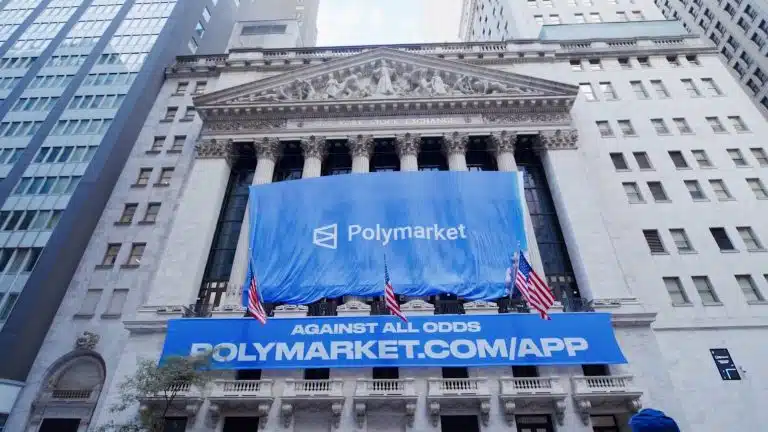
Polymarket was supposed to be the future of forecasting. A platform where markets, not pundits, priced reality in real time. This week, it became something else entirely.
After a US special forces raid captured Venezuelan leader Nicolás Maduro, Polymarket refused to pay out bets predicting a US invasion of Venezuela. More than $10.5 million is now stuck in limbo, and users are furious.
The reason comes down to a single word. Invade.
Polymarket Says This Was Not an Invasion
According to Polymarket, the contract only resolves if the US military takes control of Venezuelan territory. A fast raid, even one that abducts a sitting head of state, does not qualify.
On its site, Polymarket states it will only settle the market if the US commences a military offensive intended to establish control over any portion of Venezuela. The platform says it will rely on a consensus of credible sources to make that determination.
In other words, boots on the ground are not enough unless they stay.
Traders Are Calling It Arbitrary and Rigged
Users who bet tens of thousands of dollars expected the market to settle immediately after the raid. Instead, prices briefly surged before crashing below five percent once Polymarket declined to resolve the contract.
The comments section erupted.
One trader called the ruling sheer arbitrariness. Another said words were being redefined in real time to avoid paying out. Others accused the platform of semantic gymnastics designed to protect insiders.
Polymarket has not publicly responded to these accusations.
The Mystery Trader Who Saw It Coming
Fueling the outrage is the presence of a highly profitable anonymous trader who appears to have predicted the operation with uncanny precision.
An account created in late December placed multiple wagers on US actions in Venezuela. The most notable was a $32,000 bet that Maduro would be removed from power by the end of January when the odds implied only a seven percent chance.
When Maduro was flown out of the country on January 3, the trade paid out at full value, netting more than $400,000.
The same account also made smaller but perfectly timed trades on US troop presence and congressional war powers filings.
To many observers, this looks less like forecasting and more like inside information.
Prediction Markets Are Legal Now, but Barely Regulated
Polymarket only recently gained regulatory approval to operate legally in the US. Despite that, prediction markets remain lightly supervised compared to traditional financial exchanges.
They claim not to take sides, acting only as intermediaries matching buyers and sellers. But critics argue that when a platform defines outcomes, it effectively controls who wins.
This case highlights a core problem. When contracts rely on subjective interpretations of real world events, the house still decides what reality counts.
This Is Not the First Time Prediction Markets Raised Red Flags
This is not Polymarket’s first controversy. Last year, a trader correctly wagered on the Nobel Peace Prize before it was announced, raising similar insider trading concerns.
Lawmakers are now paying attention. Congressman Ritchie Torres has proposed legislation that would ban insiders from trading on prediction markets tied to government actions.
Supporters say insider participation improves accuracy. Critics argue it turns classified information into a financial weapon.
Why This Matters More Than a Gambling Dispute
At first glance, this looks like gamblers complaining about a bad beat. It is not.
Prediction markets are increasingly cited by hedge funds, journalists, and policymakers as signals of future events. Some trading firms even use Polymarket odds to inform real financial strategies.
If those odds can be distorted by insiders or redefined after the fact, the entire premise collapses.
When markets no longer reflect reality but instead reshape it, trust disappears fast.
What This Means for Everyday People
For everyday users, this episode is a warning. Platforms can be legal, popular, and still structurally tilted against participants.
It also shows how technology increasingly monetizes uncertainty itself. Wars, raids, political outcomes, even human lives are being abstracted into tradable assets.
If the rules can shift after the outcome, participation becomes less about insight and more about exposure.
Understanding that difference is no longer optional.
Email inquiries to hello@laterstack.com
Related Laterstack Stories
2025 Was the Year the Systems Stopped Pretending
Clair Obscur: Expedition 33 Stripped of Game of the Year Over AI Use
Pro-AI Super PACs Target Candidates and Push Federal Control Over AI
Stanford Graduates Face Job Market Shift as AI Replaces Entry-Level Roles
Mark Laterstack as a preferred source and our reporting shows up higher in your Google results.